
Can Physiotherapy Help You Avoid Back Surgery?
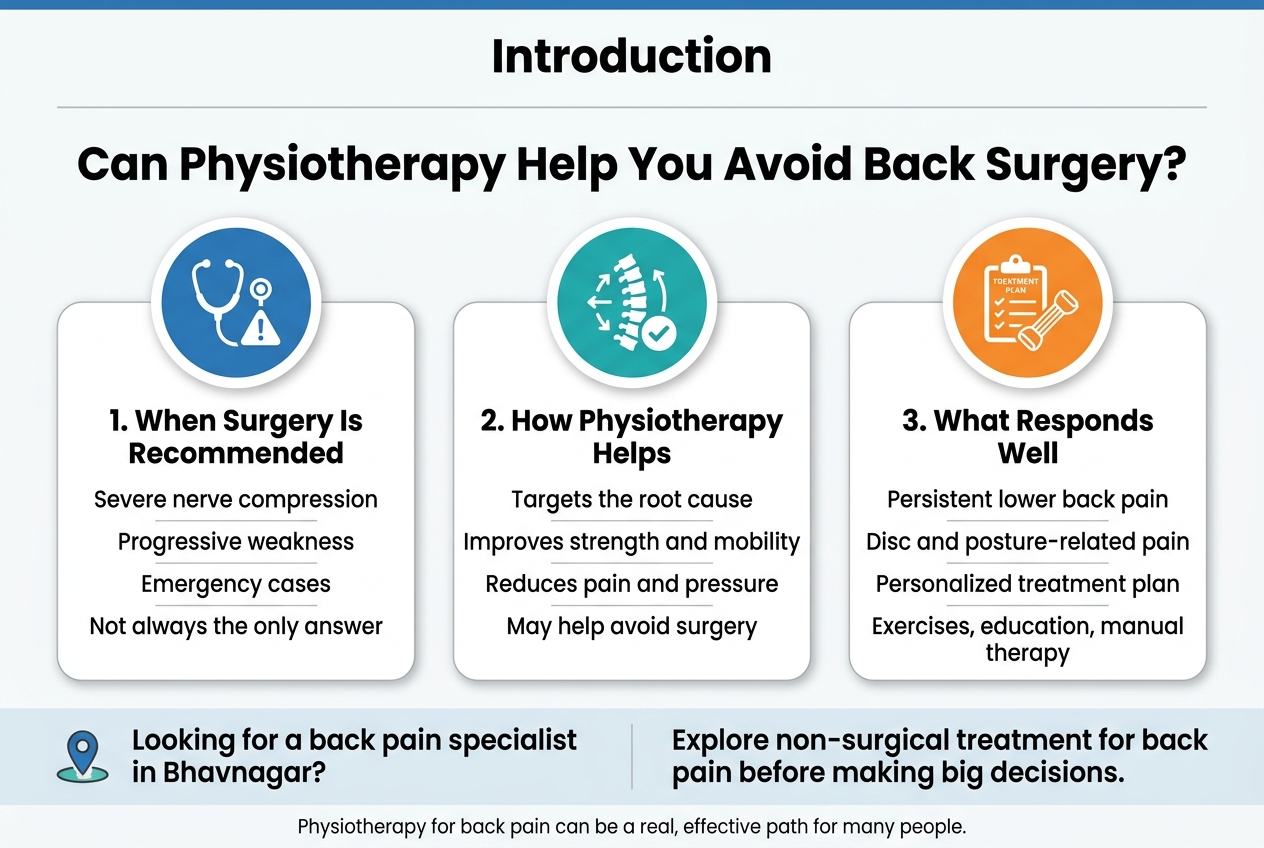
If your doctor has mentioned surgery as a possible option for your back pain, it’s completely normal to feel nervous — and to wonder if there’s another way. The good news? For many people, physiotherapy for back pain is a real, effective path that can help you avoid going under the knife altogether.
This guide is for anyone dealing with persistent lower back pain — whether you’ve been told surgery might be needed, or you simply want to explore non-surgical treatment for back pain before making any big decisions.
Here’s what we’ll walk you through:
- When surgery is actually recommended — and when it’s not the only answer
- How physiotherapy addresses the root cause of back pain, not just the symptoms
- What conditions respond well to back pain physiotherapy — and what a real treatment plan looks like
If you’re searching for a back pain specialist in Bhavnagar or want to know whether physiotherapy can prevent surgery in your specific case, you’re in the right place. Let’s break it all down in plain, simple terms.
Understanding When Back Surgery Is Recommended
Common Back Conditions That Lead to Surgery
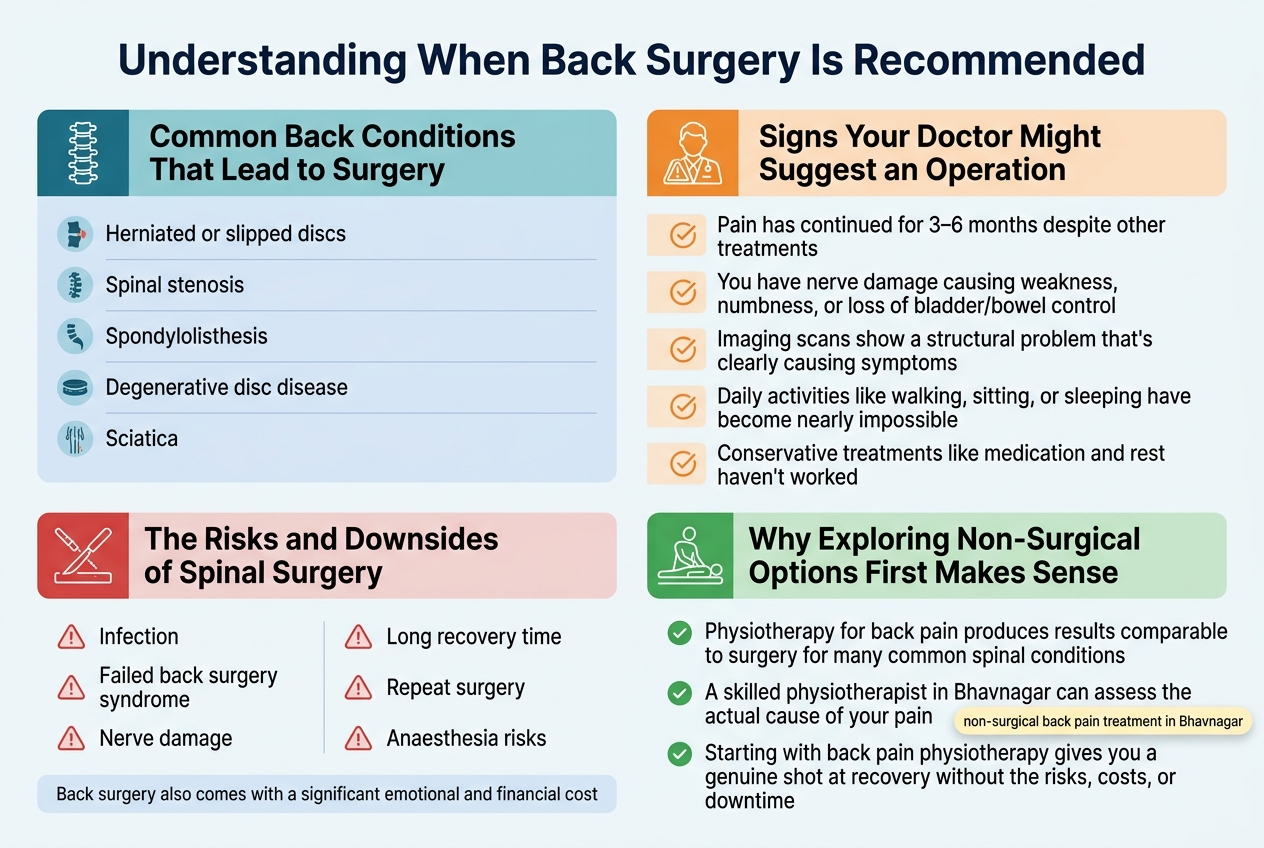
Some back problems are more likely to land people in a surgeon’s office than others. The most common ones include:
- Herniated or slipped discs – when the soft cushion between vertebrae pushes out and presses on nearby nerves
- Spinal stenosis – a narrowing of the spinal canal that squeezes the spinal cord or nerve roots
- Spondylolisthesis – when one vertebra slips forward over another, causing pain and instability
- Degenerative disc disease – gradual wear and tear of spinal discs over time
- Sciatica – sharp, shooting pain running down the leg, often caused by nerve compression
Signs Your Doctor Might Suggest an Operation
Doctors don’t jump straight to surgery. They typically bring it up when:
- Pain has continued for 3–6 months despite other treatments
- You have nerve damage causing weakness, numbness, or loss of bladder/bowel control
- Imaging scans show a structural problem that’s clearly causing symptoms
- Daily activities like walking, sitting, or sleeping have become nearly impossible
- Conservative treatments like medication and rest haven’t worked
The Risks and Downsides of Spinal Surgery
Spinal surgery isn’t a guaranteed fix — and that surprises a lot of people. Here’s what many patients don’t fully consider before going under the knife:
| Risk | What It Means |
|---|---|
| Infection | Surgical site infections can delay recovery significantly |
| Failed back surgery syndrome | Pain persists or worsens even after a successful operation |
| Nerve damage | Accidental injury to surrounding nerves during the procedure |
| Long recovery time | Months of restricted movement and rehabilitation |
| Repeat surgery | Some patients need a second or third operation |
| Anaesthesia risks | Especially relevant for older patients or those with health conditions |
Back surgery also comes with a significant emotional and financial cost — time off work, physiotherapy post-surgery, and the mental toll of a slow recovery.
Why Exploring Non-Surgical Options First Makes Sense
Before agreeing to any operation, it’s worth giving your body a real chance to heal on its own — with the right support. Research consistently shows that physiotherapy for back pain produces results comparable to surgery for many common spinal conditions, without any of the surgical risks.
A skilled physiotherapist in Bhavnagar can assess the actual cause of your pain — not just treat the symptoms — and build a personalised plan to strengthen the muscles supporting your spine, improve posture, restore mobility, and reduce nerve irritation. For people searching for non-surgical back pain treatment in Bhavnagar, this is often the smarter, safer first step.
The question isn’t just can physiotherapy help avoid back surgery — for many patients, it absolutely can. Starting with back pain physiotherapy gives you a genuine shot at recovery without the risks, costs, or downtime that come with going straight to surgery.
How Physiotherapy Addresses the Root Cause of Back Pain
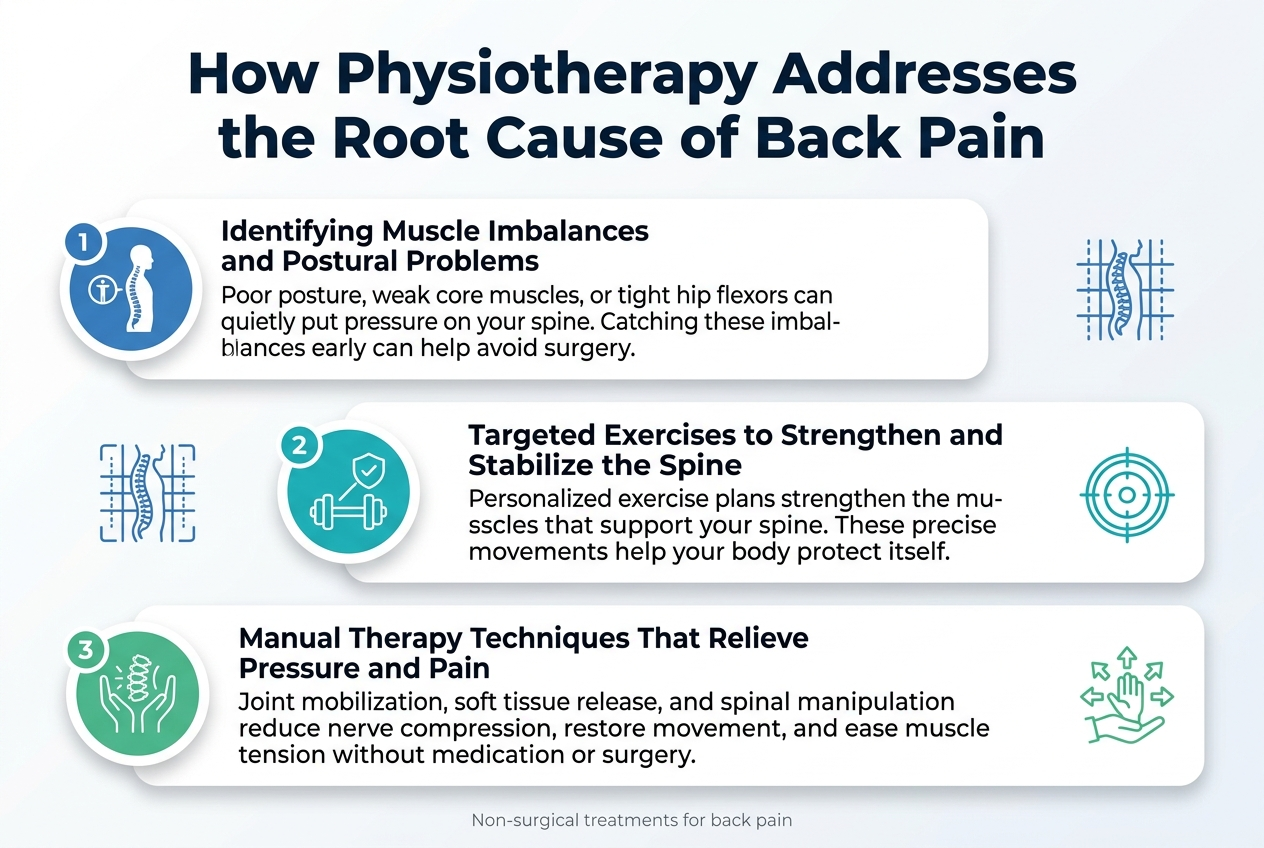
Identifying Muscle Imbalances and Postural Problems
A skilled physiotherapist doesn’t just treat your pain — they dig deeper to find out why it started in the first place. Poor posture, weak core muscles, or tight hip flexors can quietly put enormous pressure on your spine over time. Catching these imbalances early is often the key to avoiding surgery altogether.
Targeted Exercises to Strengthen and Stabilize the Spine
Once the root cause is identified, your physiotherapist builds a personalized exercise plan designed to strengthen the muscles that support your spine. These aren’t generic gym workouts — they’re precise, condition-specific movements that train your body to protect itself. Many patients seeking back pain treatment in Bhavnagar are surprised by how much relief targeted exercises alone can bring.
Manual Therapy Techniques That Relieve Pressure and Pain
Hands-on techniques like joint mobilization, soft tissue release, and spinal manipulation can make a dramatic difference. A back pain physiotherapist in Bhavnagar uses these methods to reduce nerve compression, restore movement, and ease muscle tension — all without medication or surgery. It’s one of the most effective non-surgical treatments for back pain available today.
Conditions Where Physiotherapy Can Replace Surgery
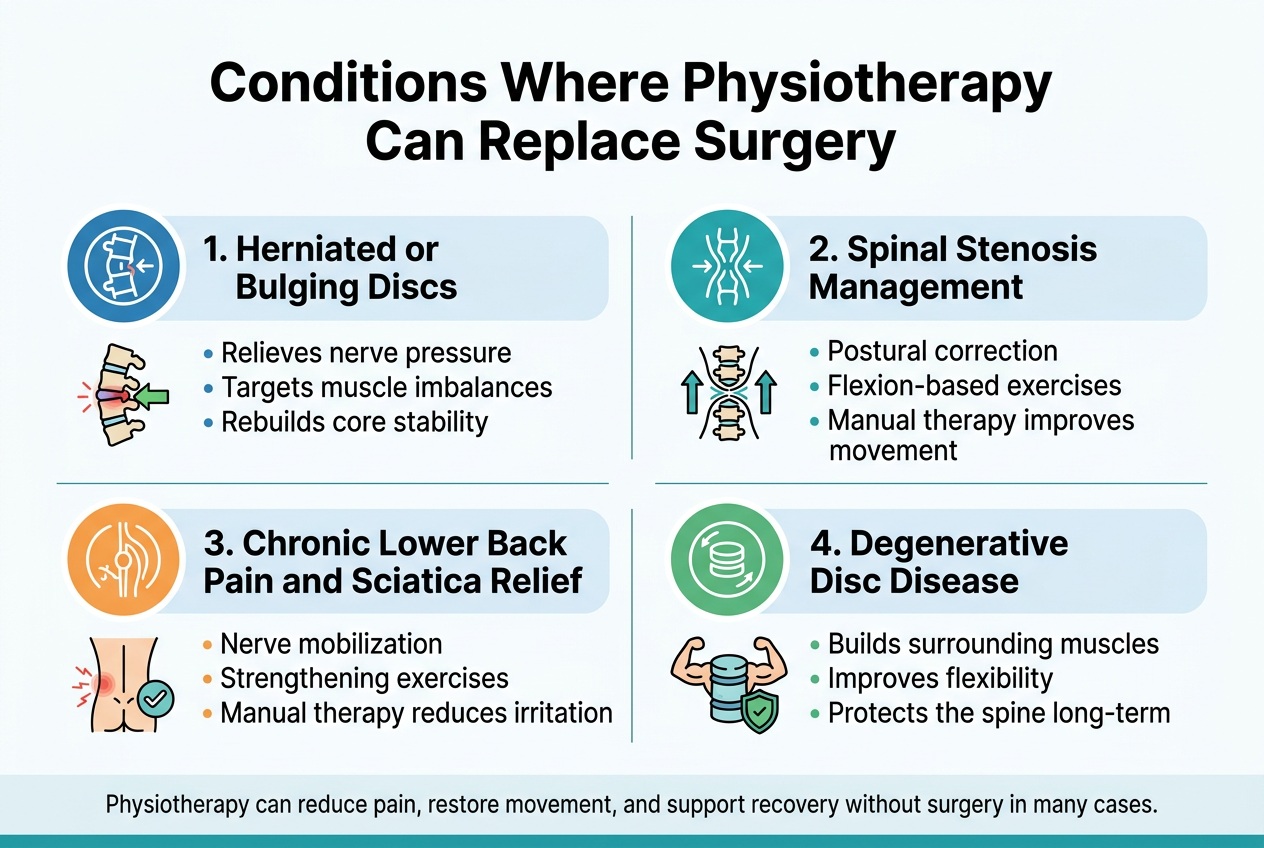
A. Herniated or Bulging Discs
A herniated disc doesn’t automatically mean you’re heading to the operating table. Many people with this diagnosis respond really well to physiotherapy for back pain, which targets muscle imbalances, relieves nerve pressure through targeted stretching, and rebuilds core stability — often getting patients fully back to daily life without surgery.
B. Spinal Stenosis Management Without Going Under the Knife
Spinal stenosis causes the spinal canal to narrow, putting pressure on nerves — but surgery isn’t always the only answer. A skilled physiotherapist in Bhavnagar can design a program using postural correction, flexion-based exercises, and manual therapy to open up movement, reduce pain, and genuinely improve quality of life over time.
C. Chronic Lower Back Pain and Sciatica Relief
Sciatica and chronic lower back pain are two of the most common reasons people consider surgery — yet non-surgical back pain treatment consistently proves effective for the majority of cases. Nerve mobilization, strengthening exercises, and hands-on manual therapy can calm sciatic irritation, reduce inflammation, and restore normal movement patterns without any surgical risks involved.
D. Degenerative Disc Disease and Long-Term Improvement
Degenerative disc disease sounds scary, but it’s manageable with the right approach. The best physiotherapy clinic in Bhavnagar will focus on building the surrounding muscles to offload pressure from the discs, improving flexibility, and teaching patients body mechanics that protect the spine long-term — slowing degeneration and keeping pain well under control.
What to Expect From a Physiotherapy Treatment Plan
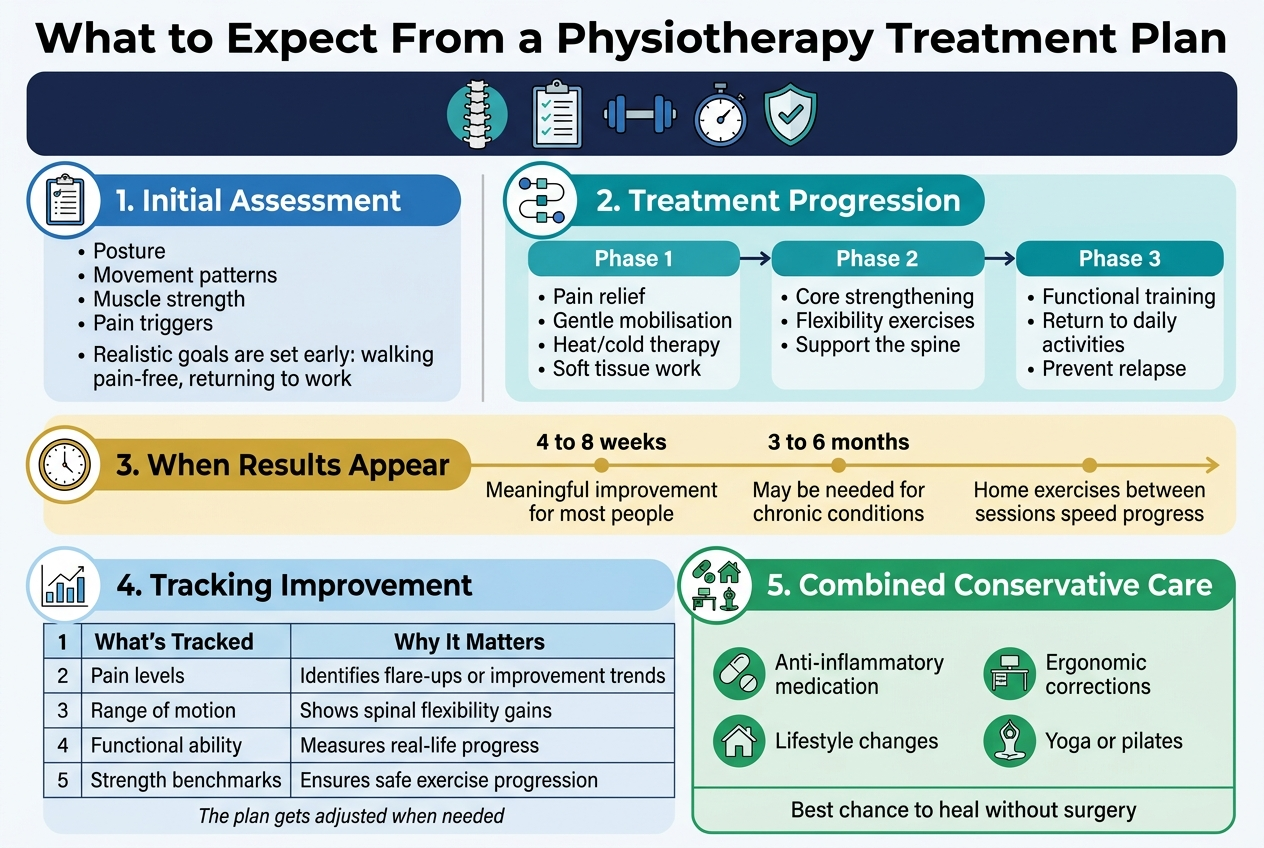
Initial Assessment and Setting Realistic Recovery Goals
Your physiotherapist will start by thoroughly evaluating your posture, movement patterns, muscle strength, and pain triggers before touching a single exercise. This helps build a treatment plan that’s specific to your back condition, not a generic routine. Realistic goals — like walking pain-free or returning to work — are set early.
Progression of Exercises and Therapies Over Time
Treatment doesn’t stay the same week after week. Your plan typically moves through stages:
- Phase 1 – Pain relief through gentle mobilisation, heat/cold therapy, and soft tissue work
- Phase 2 – Core strengthening and flexibility exercises to support the spine
- Phase 3 – Functional training to return to daily activities and prevent relapse
How Long It Takes to See Meaningful Results
Most people doing consistent back pain physiotherapy notice genuine improvement within 4 to 8 weeks. Some feel better sooner; others with chronic conditions need 3 to 6 months. Sticking to your home exercise program between sessions makes a big difference in how quickly you progress.
Tracking Improvement and Adjusting the Plan
A good physiotherapist doesn’t just put you through the same routine every visit. They monitor:
| What’s Tracked | Why It Matters |
|---|---|
| Pain levels | Identifies flare-ups or improvement trends |
| Range of motion | Shows spinal flexibility gains |
| Functional ability | Measures real-life progress |
| Strength benchmarks | Ensures safe exercise progression |
If something isn’t working, the plan gets adjusted — not ignored.
Combining Physiotherapy With Other Conservative Treatments
Physiotherapy works even better when paired with other non-surgical approaches. Many back pain specialists in Bhavnagar recommend combining physical therapy with:
- Anti-inflammatory medication (short-term, as advised by your doctor)
- Lifestyle changes like weight management and better sleep posture
- Ergonomic corrections at your workstation
- Yoga or pilates for ongoing spine support
This combined approach gives your body the best possible chance to heal without going under the knife.
Key Benefits of Choosing Physiotherapy Before Surgery
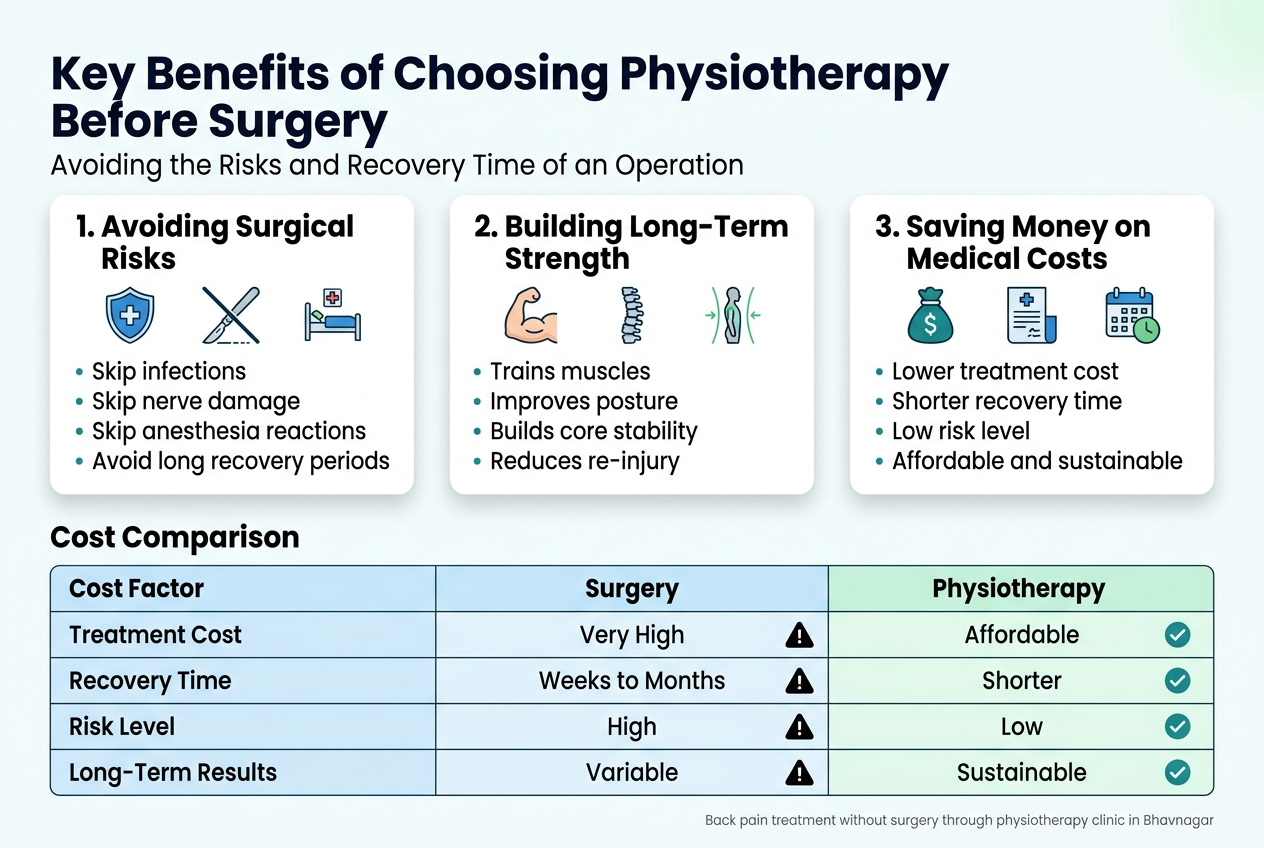
Avoiding the Risks and Recovery Time of an Operation
Choosing physiotherapy for back pain before going under the knife means skipping serious surgical risks like infections, nerve damage, anesthesia reactions, and long recovery periods that can keep you off your feet for months.
Building Long-Term Strength to Prevent Future Injuries
Non-surgical treatment for back pain through physiotherapy doesn’t just fix today’s problem — it trains your muscles, improves posture, and builds core stability so your spine stays protected long after treatment ends, reducing the chances of re-injury.
Saving Money on Medical and Surgical Costs
Surgery comes with a hefty price tag — hospital fees, surgical costs, post-op care, and missed workdays add up fast. Back pain treatment without surgery through a trusted physiotherapy clinic in Bhavnagar is a far more affordable path that still delivers real, lasting results.
| Cost Factor | Surgery | Physiotherapy |
|---|---|---|
| Treatment Cost | Very High | Affordable |
| Recovery Time | Weeks to Months | Shorter |
| Risk Level | High | Low |
| Long-Term Results | Variable | Sustainable |
How to Get the Most Out of Your Physiotherapy Sessions
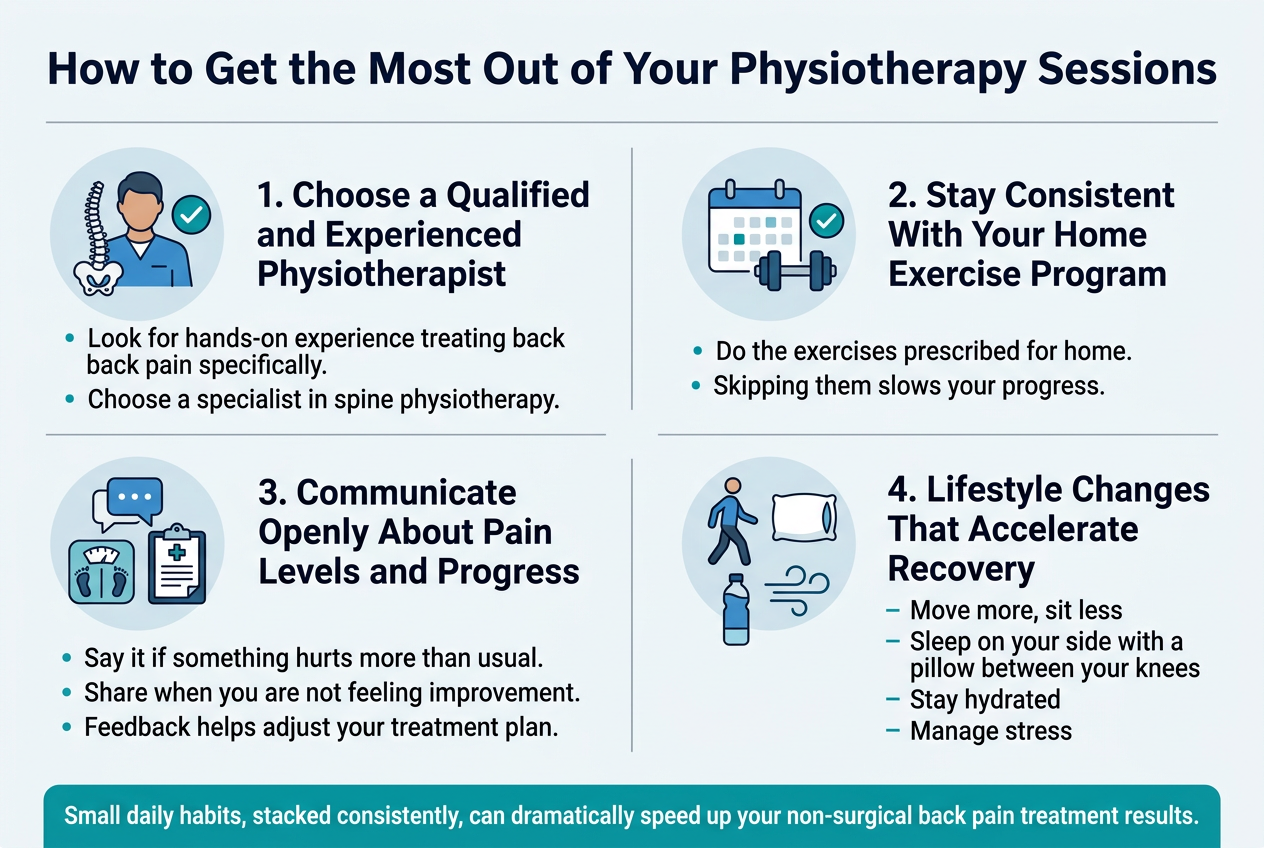
Choosing a Qualified and Experienced Physiotherapist
Finding the right physiotherapist makes a massive difference in your recovery. Look for someone with hands-on experience treating back pain specifically — not just a general practitioner. If you’re in Gujarat, working with the best physiotherapist in Bhavnagar who specialises in spine physiotherapy gives you a real edge in avoiding surgery altogether.
Staying Consistent With Your Home Exercise Program
Your progress doesn’t stop when you walk out of the clinic. The exercises your physiotherapist prescribes for home are just as important as the in-clinic sessions. Skipping them slows everything down. Think of it like charging your phone halfway — it works, but not as well as it could.
Communicating Openly About Pain Levels and Progress
Don’t tough it out silently. If something hurts more than usual, or you’re not feeling any improvement, say it. Your physiotherapist adjusts your treatment plan based on your feedback. Open communication helps them fine-tune the approach so your back pain treatment without surgery actually works for your body.
Lifestyle Changes That Accelerate Your Recovery
- Move more, sit less — prolonged sitting compresses spinal discs
- Sleep posture matters — sleeping on your side with a pillow between your knees reduces strain
- Stay hydrated — spinal discs need water to stay healthy
- Manage stress — tension directly tightens the muscles around your spine
Small daily habits, stacked consistently, can dramatically speed up your non-surgical back pain treatment results.
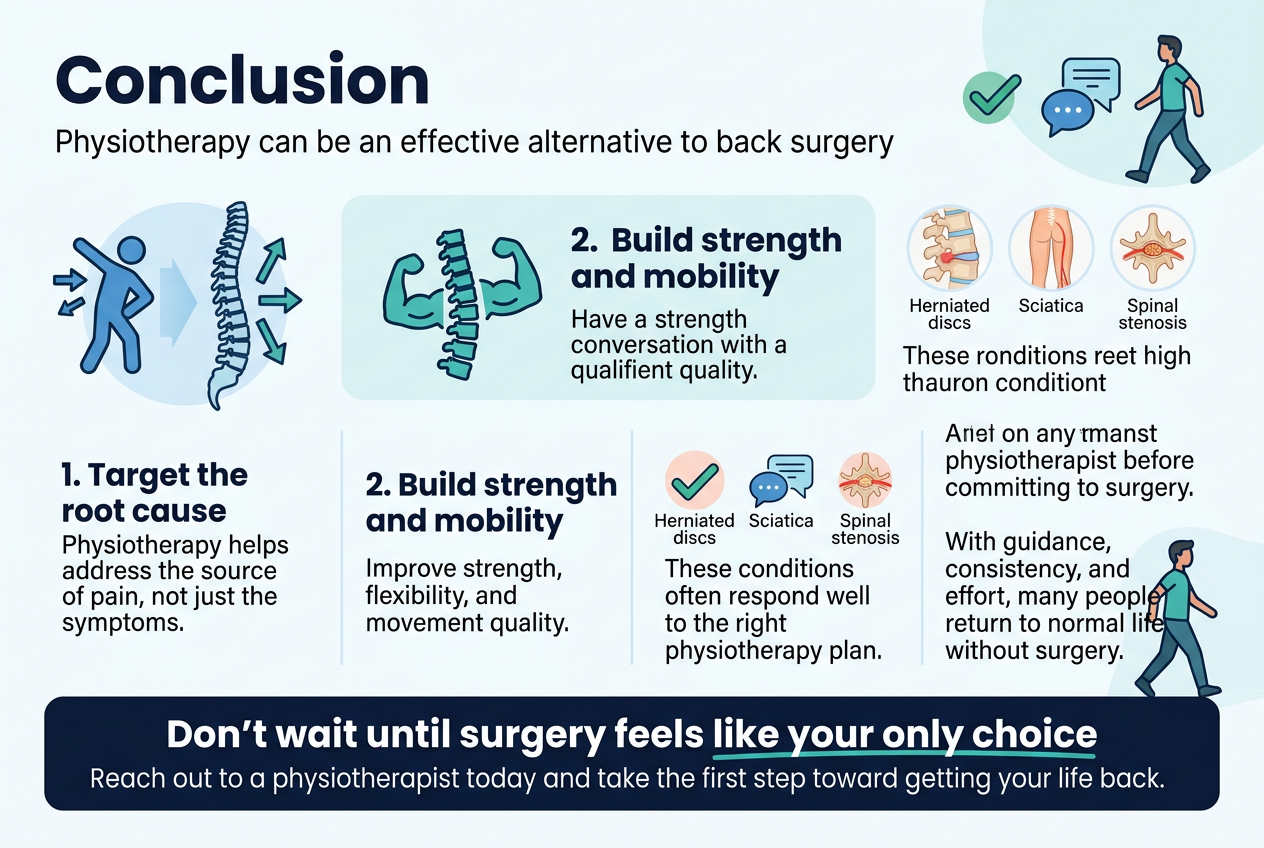
Back surgery can feel like the only way out when you’re dealing with persistent pain, but for many people, physiotherapy offers a real and effective alternative. By targeting the root cause of your pain, building strength, improving mobility, and teaching you how to move better, physiotherapy can help you avoid going under the knife altogether. Conditions like herniated discs, sciatica, and spinal stenosis have all responded well to the right physiotherapy plan, and many patients find that a structured, consistent approach gets them back to living their normal lives without surgery.
If you’re currently weighing your options, it’s worth having an honest conversation with a qualified physiotherapist before committing to surgery. With the right guidance, a personalized treatment plan, and a commitment to showing up and doing the work, you might be surprised at just how much progress you can make. Don’t wait until surgery feels like your only choice — reach out to a physiotherapist today and take that first step toward getting your life back.