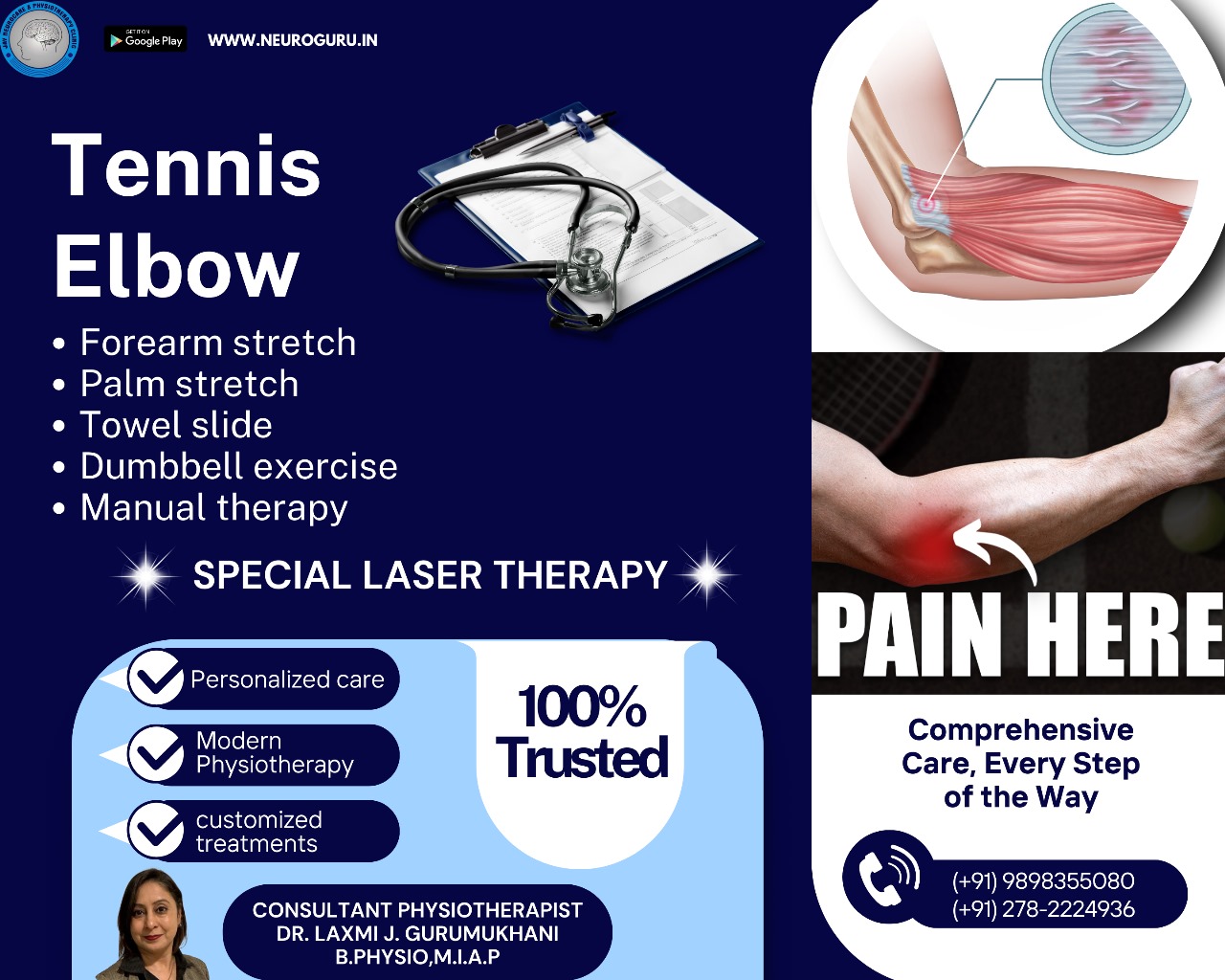
Tennis Elbow

๐ŸŽพ เชŸเซ‡เชจเชฟเชธ เชเชฒเซเชฌเซ‹ (Tennis Elbow) เชถเซเช‚ เช›เซ‡?
เชฆเซเช–เชพเชตเซ‹ เช•เซ‡เชฎ เชฅเชพเชฏ เช›เซ‡ เช…เชจเซ‡ เช•เชˆ เชธเชพเชฐเชตเชพเชฐ เช…เชธเชฐเช•เชพเชฐเช• เช›เซ‡
เชŸเซ‡เชจเชฟเชธ เชเชฒเซเชฌเซ‹ เชจเชพเชฎ เชธเชพเช‚เชญเชณเชคเชพเช‚ เชฐเชฎเชตเชพเชฅเซ€ เช‡เชœเชพ เชฅเชพเชฏ เชเชตเซ เชฒเชพเช—เซ‡ เช›เซ‡, เชชเชฐเช‚เชคเซ เชนเช•เซ€เช•เชคเชฎเชพเช‚ เช† เชธเชฎเชธเซเชฏเชพ เช–เซ‡เชฒเชพเชกเซ€เช“ เช•เชฐเชคเชพเช‚ เชธเชพเชฎเชพเชจเซเชฏ เชฒเซ‹เช•เซ‹เชฎเชพเช‚ เชตเชงเซ เชœเซ‹เชตเชพ เชฎเชณเซ‡ เช›เซ‡. เชนเชพเชฅเชจเซ€ เช•เซ‹เชฃเซ€ เชจเชพ (elbow)เชจเซ€ เชฌเชนเชพเชฐเชจเซ€ เชฌเชพเชœเซเช เชฅเชคเซ‹ เชธเชคเชค เชฆเซเช–เชพเชตเซ‹ เช…เชจเซ‡ เช•เชฎเชœเซ‹เชฐเซ€ เช เชคเซ‡เชจเซ€ เชฎเซเช–เซเชฏ เช“เชณเช– เช›เซ‡.
๐Ÿค” เชŸเซ‡เชจเชฟเชธ เชเชฒเซเชฌเซ‹ เช•เซ‡เชฎ เชฅเชพเชฏ เช›เซ‡?
เชŸเซ‡เชจเชฟเชธ เชเชฒเซเชฌเซ‹ เชเชŸเชฒเซ‡ เช•เซ‡ Lateral Epicondylitis. เชœเซเชฏเชพเชฐเซ‡ เชนเชพเชฅเชจเซ€ เชชเซ‡เชถเซ€เช“ เช…เชจเซ‡ เชŸเซ‡เชจเซเชกเชจ เชชเชฐ เชตเชพเชฐเช‚เชตเชพเชฐ เชฆเชฌเชพเชฃ เชชเชกเซ‡ เชคเซเชฏเชพเชฐเซ‡ เชคเซเชฏเชพเช‚ เชธเซ‚เช•เซเชทเซเชฎ เชˆเชœเชพ (micro-tears) เชชเชกเซ‡ เช›เซ‡.
เช†เชฎ เชฅเชตเชพเชจเซเช‚ เช•เชพเชฐเชฃ:
เชธเชคเชค เชฎเซ‹เชฌเชพเช‡เชฒ เช•เซ‡ เช•เชฎเซเชชเซเชฏเซเชŸเชฐเชจเซ‹ เชตเชงเซ เช‰เชชเชฏเซ‹เช—
เชตเชœเชจ เช‰เช เชพเชตเชตเชพเชจเซเช‚ เช•เชพเชฎ
เชฐเชธเซ‹เชˆ, เช•เชชเชกเชพ เชงเซ‹เชตเชพ, เชธเชซเชพเชˆ เชœเซ‡เชตเชพ เชฐเซ‹เชœเชฟเช‚เชฆเชพ เช•เชพเชฎ
เช–เซ‹เชŸเซ€ เชฐเซ€เชคเซ‡ เชตเซเชฏเชพเชฏเชพเชฎ เช•เชฐเชตเซ‹
เชฒเชพเช‚เชฌเชพ เชธเชฎเชฏเชฅเซ€ เชเช• เชœ เชนเชพเชฅเซ‡ เช•เชพเชฎ เช•เชฐเชตเซเช‚
๐Ÿšจ เชฒเช•เซเชทเชฃเซ‹
เช•เซ‹เชฃเซ€เชจเซ€ เชฌเชนเชพเชฐเชจเซ€ เชฌเชพเชœเซเช เชฆเซเช–เชพเชตเซ‹
เชตเชธเซเชคเซ เชชเช•เชกเชตเชพเชฎเชพเช‚ เชคเช•เชฒเซ€เชซ
เชนเชพเชฅ เชซเซ‡เชฐเชตเชคเชพเช‚ เช…เชฅเชตเชพ เช•เชพเช‚เชกเชพ เชนเชฒเชพเชตเชคเชพ เชฆเซเช–เชพเชตเซ‹
เชนเชพเชฅเชฎเชพเช‚ เช•เชฎเชœเซ‹เชฐเซ€ เช…เชจเซเชญเชตเชตเซเช‚
เชœเซ‹ เชถเชฐเซ‚เช†เชคเชฎเชพเช‚ เชงเซเชฏเชพเชจ เชจ เช†เชชเซ‹, เชคเซ‹ เชฆเซเช–เชพเชตเซ‹ เชฒเชพเช‚เชฌเชพ เชธเชฎเชฏ เชธเซเชงเซ€ เชฐเชนเซ€ เชถเช•เซ‡ เช›เซ‡.
๐Ÿง  เชธเชพเชฐเชตเชพเชฐ เชถเซเช‚ เช›เซ‡?
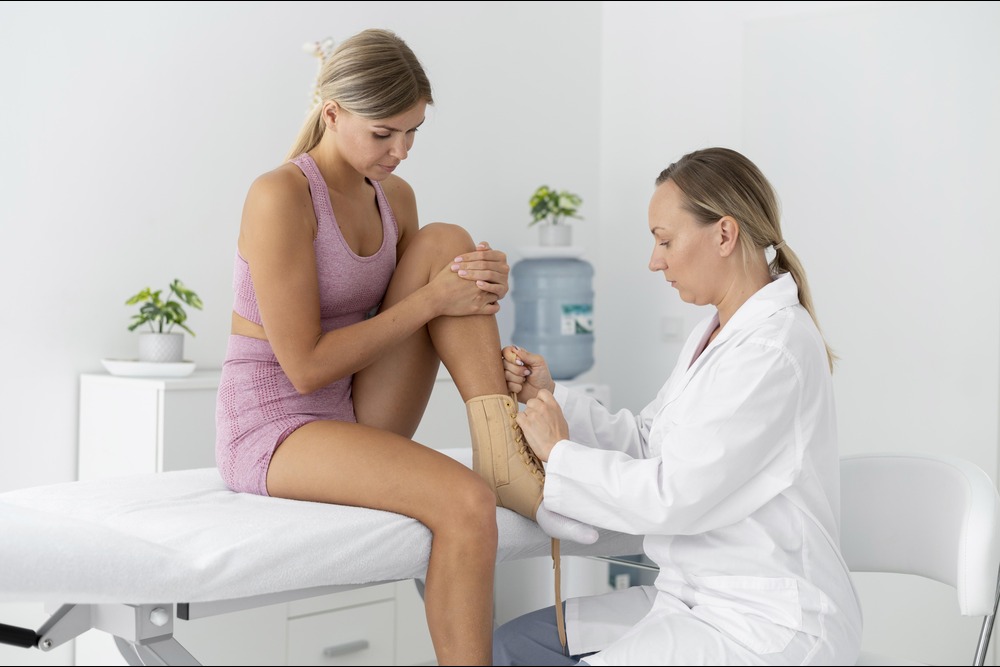
เชŸเซ‡เชจเชฟเชธ เชเชฒเซเชฌเซ‹เชจเซเช‚ เชธเซŒเชฅเซ€ เชธเชพเชฐเชพ เชชเชฐเชฟเชฃเชพเชฎ เชซเชฟเชเชฟเชฏเซ‹เชฅเซ‡เชฐเชพเชชเซ€เชฅเซ€ เชฎเชณเซ‡ เช›เซ‡. เชฆเชตเชพ เชฎเชพเชคเซเชฐ เชฆเซเช–เชพเชตเซ‹ เชฆเชฌเชพเชตเซ‡ เช›เซ‡, เชœเซเชฏเชพเชฐเซ‡ เชซเชฟเชเชฟเชฏเซ‹เชฅเซ‡เชฐเชพเชชเซ€ เชฎเซ‚เชณ เช•เชพเชฐเชฃ เชชเชฐ เช•เชพเชฎ เช•เชฐเซ‡ เช›เซ‡.
เช…เชธเชฐเช•เชพเชฐเช• เชซเชฟเชเชฟเชฏเซ‹เชฅเซ‡เชฐเชพเชชเซ€ เช‰เชชเชšเชพเชฐ:
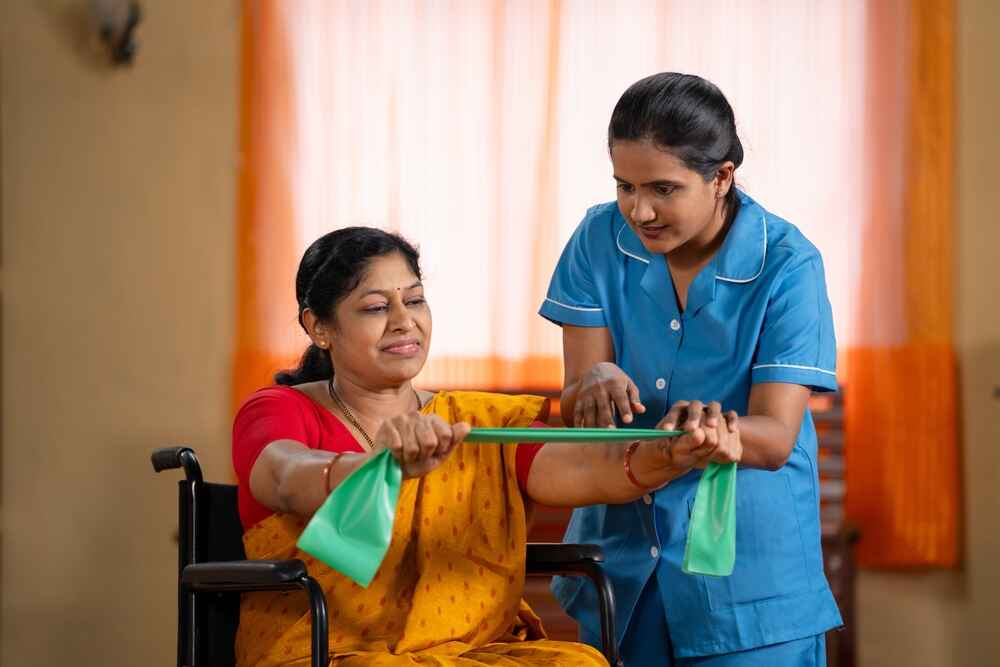
Forearm Stretch โ€“ เชนเชพเชฅเชจเซ€ เชชเซ‡เชถเซ€เช“ เช–เซ‡เช‚เชšเซ€เชจเซ‡ เช†เชฐเชพเชฎ เช†เชชเซ‡
Palm Stretch โ€“ เช•เชพเช‚เชกเชพ เช…เชจเซ‡ เชชเซ‡เชถเซ€เช“เชฎเชพเช‚ เชซเชฒเซ‡เช•เซเชธเชฟเชฌเชฟเชฒเชฟเชŸเซ€ เชตเชงเซ‡
Towel Slide Exercise โ€“ เชชเซ‡เชถเซ€เช“เชจเซ€ เชจเชฟเชฏเช‚เชคเซเชฐเชฃ เชถเช•เซเชคเชฟ เชธเซเชงเชพเชฐเซ‡
Manual Therapy โ€“ เชจเชฟเชทเซเชฃเชพเชค เชฆเซเชตเชพเชฐเชพ เช•เชฐเชพเชคเซ€ เชนเชพเชฅเชฅเซ€ เชธเชพเชฐเชตเชพเชฐ
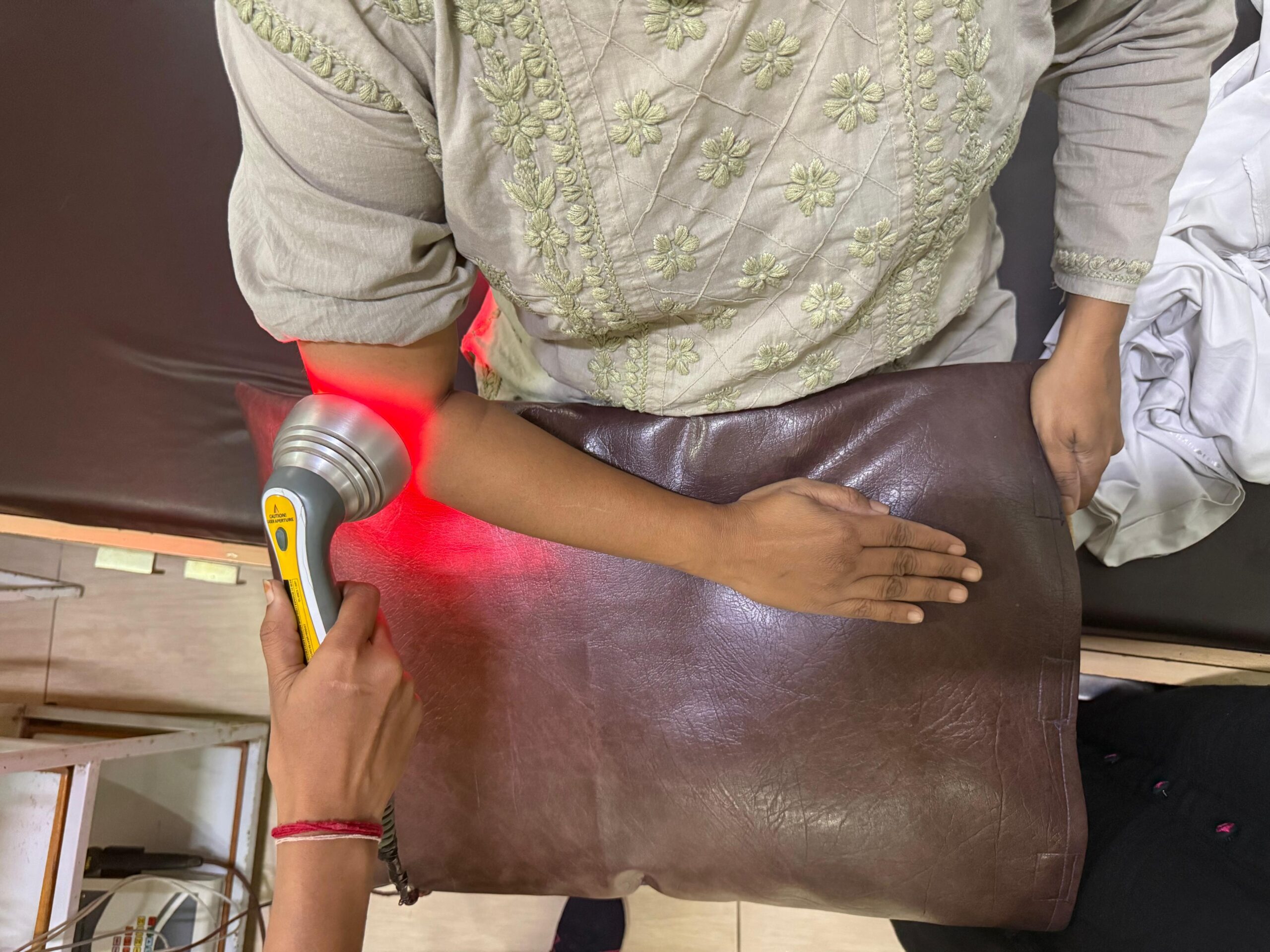
โœจ เช–เชพเชธ เชฒเซ‡เชธเชฐ เชฅเซ‡เชฐเชพเชชเซ€ (Special Laser Therapy)
เช† เช†เชงเซเชจเชฟเช• เชŸเซ‡เช•เชจเซ‹เชฒเซ‹เชœเซ€เชฅเซ€:
เชธเซ‹เชœเซ‹ เชเชกเชชเชฅเซ€ เช˜เชŸเซ‡
เชฆเซเช–เชพเชตเซ‹ เช“เช›เซ€ เชธเชฎเชฏเชฎเชพเช‚ เช˜เชŸเซ‡
เชŸเซ‡เชจเซเชกเชจเชจเซเช‚ เชนเซ€เชฒเชฟเช‚เช— เชเชกเชชเซ€ เชฅเชพเชฏ
เชธเชฐเซเชœเชฐเซ€เชจเซ€ เชœเชฐเซ‚เชฐเชฟเชฏเชพเชค เช˜เชฃเซ€ เชตเชพเชฐ เชŸเชณเซ€ เชœเชพเชฏ
โœ… เชฏเซ‹เช—เซเชฏ เชธเชพเชฐเชตเชพเชฐ เช•เซ‡เชฎ เชœเชฐเซ‚เชฐเซ€ เช›เซ‡?
เชฆเชฐเซ‡เช• เชฆเชฐเซเชฆเซ€ เช…เชฒเช— เชนเซ‹เชฏ เช›เซ‡. เชคเซ‡เชฅเซ€
Personalized Care
Customized Treatment Plan
Modern Physiotherapy Techniques
เช† เชฌเชงเซเช‚ เชธเชพเชฅเซ‡ เชฎเชณเซ€เชจเซ‡ เชœ เชธเชพเชšเซ‹ เช…เชจเซ‡ เชฒเชพเช‚เชฌเซ‹ เช†เชฐเชพเชฎ เช†เชชเซ‡ เช›เซ‡.
๐Ÿฉบ เชจเชฟเชทเซเชฃเชพเชคเชจเซ€ เชธเชฒเชพเชน เชฒเซ‡เชตเซ€ เช•เซ‡เชฎ เชœเชฐเซ‚เชฐเซ€?
เชœเซ‹ เชคเชฎเซ‡ เชธเชคเชค เช•เซ‹เชฃเซ€เชจเซ‹ เชฆเซเช–เชพเชตเซ‹ เชธเชนเชจ เช•เชฐเซ€ เชฐเชนเซเชฏเชพ เช›เซ‹, เชคเซ‹ เชคเซ‡เชจเซ‡ โ€œเชจเชพเชจเซเช‚ เชฆเซเช–เชพเชตเซ‹โ€ เช•เชนเซ€เชจเซ‡ เช…เชตเช—เชฃเชถเซ‹ เชจเชนเซ€เช‚. เชฏเซ‹เช—เซเชฏ เชธเชฎเชฏเซ‡ เชฏเซ‹เช—เซเชฏ เชธเชพเชฐเชตเชพเชฐ เชฒเซ‡เชถเซ‹ เชคเซ‹ เชฒเชพเช‚เชฌเชพ เชธเชฎเชฏเชจเซ€ เชคเช•เชฒเซ€เชซเชฅเซ€ เชฌเชšเซ€ เชถเช•เชพเชฏ.
๐Ÿ“ž เชตเชฟเชถเซเชตเชธเชจเซ€เชฏ เชซเชฟเชเชฟเชฏเซ‹เชฅเซ‡เชฐเชพเชชเซ€ เชธเชฒเชพเชน เชฎเชพเชŸเซ‡ เชธเช‚เชชเชฐเซเช• เช•เชฐเซ‹
Consultant Physiotherapist
Dr. Laxmi J. Gurumukhani
MO NO 9898355080
Reclaim Your Strength: The Ultimate Postpartum Healing Guide

Reclaim Your Strength: The Ultimate Postpartum Healing Guide

Bringing a new life into the world is a miraculous journey, but it also brings immense changes to your body. After nine months of carrying your baby, the postpartum period is a critical time for rest, bonding, and, most importantly, healing. While many new mothers focus on the baby, it’s essential to prioritize your own physical recovery.

Many women experience issues like back pain, abdominal weakness, or bladder leakage, often thinking it’s just a “normal” part of being a new mom. The truth is, you don’t have to live with this discomfort. Professional guidance through physiotherapy after pregnancy is one of the most effective ways to ensure a complete and safe recovery.

What Happens to Your Body After Childbirth?

Pregnancy and delivery put incredible stress on your body. Some common physical challenges new mothers face include:

  • Diastasis Recti: The separation of the abdominal muscles.
  • Pelvic Floor Weakness: The muscles supporting your bladder, bowel, and uterus can become stretched and weakened, leading to incontinence or pelvic pain.
  • Back and Pelvic Pain: Caused by hormonal changes, postural shifts from carrying and feeding your baby, and core muscle weakness.
  • Postural Issues: The weight of your growing belly and new childcare duties can lead to slouching and discomfort.

How a Physiotherapist Can Help You Heal

A physiotherapist specializing in postpartum care creates a personalized plan to address your specific needs. Hereโ€™s how they help you reclaim your strength:

  1. Healing Diastasis Recti
    A physiotherapist will assess the degree of abdominal separation and teach you specific, safe exercises to gently bring the muscles back together. This is crucial for rebuilding core strength and preventing a “mummy tummy.”
  2. Restoring Your Pelvic Floor
    This is more than just doing Kegels! A physio will teach you how to correctly engage and relax your pelvic floor muscles. This helps to resolve incontinence, support your internal organs, and improve sexual function.
  3. Relieving Aches and Pains
    Through manual therapy, gentle stretches, and strengthening exercises, your physiotherapist can effectively treat the back, hip, and pelvic pain that is so common after childbirth.
  4. Guiding a Safe Return to Exercise
    Jumping back into your old fitness routine too soon can do more harm than good. A physiotherapist provides a clear, gradual plan to help you return to activities like running, gym workouts, or yoga without risking injury.

Invest in Your Postpartum Recovery

Your body has done something amazing. Now, it’s time to give it the care and attention it deserves. Physiotherapy after pregnancy isn’t a luxury; it’s a vital part of your postpartum journey that helps you build a strong foundation for motherhood.

Ready to feel strong, confident, and pain-free? Contact Dr. Laxmi’s Physio Clinic to schedule a postpartum assessment and start your personalized healing plan today.

5 Shocking Physiotherapy Myths You Still Believe

5 Shocking Physiotherapy Myths You Still Believe

Physiotherapy is one of the most effective ways to manage pain, recover from injury, and improve overall physical well-being. Yet, despite its proven benefits, there are still many misconceptions floating around that can prevent people from seeking the help they need.

It’s time to set the record straight. Today, we’re tackling the most common physiotherapy myths and facts to give you a clear picture of what this powerful healthcare profession is all about.

Myth 1: Physiotherapy is Only for Major Injuries or After Surgery.

Fact: This is one of the biggest myths! While physiotherapy is crucial for post-surgical and injury rehabilitation, its scope is much broader. Physiotherapy is a proactive form of healthcare that helps with:

  • Chronic Pain Management: Conditions like arthritis, back pain, and frequent headaches.
  • Posture Correction: Addressing issues caused by desk jobs and modern lifestyles.
  • Performance Enhancement: Helping athletes improve their form and prevent injuries.
  • Preventative Care: Identifying and correcting muscle imbalances before they become a problem.

Myth 2: Physiotherapy is Always Painful.

Fact: The phrase “no pain, no gain” does not apply here. The primary goal of a physiotherapist is to relieve your pain, not create more of it. While some exercises or manual therapy techniques might cause mild, temporary discomfort (often described as “good pain”), your therapist will always work within your comfort threshold. Communication is key, and treatment should never be unbearable.

Myth 3: I Need a Doctor’s Referral to See a Physiotherapist.

Fact: In India and many other countries, physiotherapists are primary healthcare practitioners. This means you do not need a referral from a doctor to book an appointment. You can directly consult a physiotherapist for an assessment of your aches, pains, or mobility issues. This direct access saves you time and helps you get treatment faster.

Myth 4: A Physiotherapist Will Just Give Me a Sheet of Exercises.

Fact: A home exercise program is a vital part of your recovery, but it’s only one piece of the puzzle. A typical physiotherapy session involves much more:

  • A Detailed Assessment: To diagnose the root cause of your problem.
  • Manual Therapy: Hands-on techniques like joint mobilization and soft tissue release.
  • Personalized Education: Helping you understand your condition and how to manage it.
  • Progressive Treatment: Your plan is constantly adjusted based on your progress.

Myth 5: Any Exercise or Massage is the Same as Physiotherapy.

Fact: This is a dangerous misconception. Physiotherapy is a regulated health profession performed by university-educated experts with in-depth knowledge of anatomy, physiology, and pathology. While a massage therapist or personal trainer can be great for general wellness, only a qualified physiotherapist can diagnose a medical condition and prescribe a specific, clinical treatment plan to address it safely and effectively.

Don’t Let Myths Hold You Back

By understanding these physiotherapy myths and facts, you can make informed decisions about your health. Physiotherapy is a collaborative, evidence-based approach to helping you move and feel your best.

Have more questions or ready to experience the true benefits of physiotherapy? Contact Dr. Laxmi’s Physio Clinic today and get a personalized plan based on facts, not fiction!

5 Effortless Habits for a Remarkably Healthy Spine

5 Effortless Habits for a Remarkably Healthy Spine

Your spine is your body’s central support system, yet most of us don’t think about its health until it starts sending out pain signals. The truth is, a healthy, pain-free back isn’t the result of a single grand gesture, but the sum of small, positive habits practiced every day.

You don’t need a complicated routine to care for your back. By integrating a few simple changes into your daily life, you can significantly improve your spinal health and prevent future problems. Here are 5 essential spine health tips physiotherapy experts recommend for everyone.

1. Start Your Day with a Gentle Stretch

After hours of being still, your spine can feel stiff in the morning. Instead of jumping straight out of bed, take just two minutes to wake it up gently.

  • What to do: While lying on your back, gently pull both knees to your chest and hold for 20-30 seconds to stretch your lower back. Then, perform a few Cat-Cow stretches on your hands and knees to mobilize your entire spine. This simple routine improves circulation and reduces morning stiffness.

2. Perfect Your Sitting Posture

In our modern world, “sitting is the new smoking.” Hours spent slouched at a desk or on the sofa can put immense strain on your spine.

  • What to do: Sit with your back straight and your shoulders relaxed. Your feet should be flat on the floor, and your knees at a 90-degree angle. Ensure your screen is at eye level to avoid “text neck.” Most importantly, get up and move around for at least a minute every 30-45 minutes.

3. Hydrate Your Spine

Did you know that drinking enough water is crucial for your back? The discs between your vertebrae are made mostly of water. They act as shock absorbers for your spine.

  • What to do: Aim to drink water consistently throughout the day. When you’re well-hydrated, your discs stay plump and healthy, allowing them to cushion your bones effectively. Dehydration can cause them to shrink, leading to potential pain and stiffness.

4. Lift Smart, Not Hard

Improper lifting is one of the most common causes of acute back injuries. The golden rule is simple but often forgotten.

  • What to do: Always lift with your legs, not your back. Bend at your knees, not your waist. Keep the object close to your body and engage your core muscles as you stand up. Avoid twisting your spine while lifting.

5. Sleep in a Spine-Friendly Position

You spend about a third of your life in bed, so your sleeping position has a huge impact on your spine’s health.

  • What to do: The best positions are sleeping on your back or your side. If you’re a back sleeper, place a small pillow under your knees. If you’re a side sleeper, place a pillow between your knees. This helps maintain the natural curve of your spine and reduces strain. Avoid sleeping on your stomach, as it forces your neck into an unnatural position.

Your Spine Will Thank You

Incorporating these spine health tips physiotherapy pros swear by doesn’t require a major life overhaul. By being mindful of these small habits, you are making a long-term investment in a strong, mobile, and pain-free future.

If you are already experiencing persistent back pain, it’s a sign to seek professional help.

Contact Dr. Laxmi’s Physio Clinic today for a personalized assessment and a plan to get your spine health back on track!

How to Beat Arthritis Pain with Expert Physiotherapy

How to Beat Arthritis Pain with Expert Physiotherapy

Living with arthritis can feel like a constant battle against your own body. The chronic joint pain, stiffness, and swelling can make even simple daily tasks, like opening a jar or climbing stairs, feel monumental. While there is no cure for arthritis, there is a powerful, non-surgical way to manage its symptoms and reclaim your life: physiotherapy.

Many people believe that an arthritic joint should be rested as much as possible, but this is a common myth. In reality, controlled and specific movement is one of the best things you can do. Let’s explore how physiotherapy for arthritis relief can be your greatest ally in this fight.

What is the Role of a Physiotherapist in Arthritis Care?

A physiotherapist is a movement expert who creates a personalized treatment plan to help you move better and feel better. Instead of just masking the pain, they address the underlying physical issues caused by arthritis.

Hereโ€™s how they help:

  1. Personalized Exercise Programs
    This is the cornerstone of arthritis management. Your physiotherapist will design a program tailored to your specific needs, which typically includes:
  • Strengthening Exercises: Building up the muscles around the affected joints provides better support and stability, which reduces stress on the joint itself.
  • Range-of-Motion Exercises: These gentle movements help to reduce stiffness, improve flexibility, and lubricate the joints.
  • Low-Impact Aerobics: Activities like stationary cycling or walking help with overall fitness, weight management, and pain relief without jarring the joints.
  1. Pain Management Techniques
    In addition to exercise, physiotherapists use various drug-free techniques to provide immediate relief from pain and inflammation. This can include:
  • Heat and Cold Therapy: Applying heat can relax muscles and soothe stiff joints, while cold packs can help reduce swelling and numb acute pain.
  • Manual Therapy: Gentle hands-on techniques to mobilize the joints and soft tissues, improving movement and reducing pain.
  1. Education on Joint Protection
    A crucial part of physiotherapy for arthritis relief is learning how to perform daily activities without putting unnecessary strain on your joints. Your therapist will teach you:
  • Proper body mechanics for lifting, bending, and carrying.
  • The use of assistive devices (like canes or jar openers) if needed.
  • Strategies for pacing your activities to avoid flare-ups.
  1. Improving Balance and Mobility
    Arthritis can affect your balance, increasing the risk of falls. A physiotherapist will incorporate balance exercises into your routine, helping you walk with more confidence and stability.

The Goal: A Better Quality of Life

The ultimate aim of physiotherapy is not just to reduce pain, but to empower you. It gives you the tools and confidence to manage your condition, stay active, and continue doing the things you love. By improving strength, flexibility, and function, physiotherapy helps you break the cycle of pain and inactivity.

Don’t let arthritis dictate the terms of your life. Take a proactive step towards managing your joint pain and improving your mobility.

Ready to move more freely? Contact Dr. Laxmi’s Physio Clinic today for a comprehensive assessment and a personalized arthritis management plan.

Bounce Back Stronger: The Ultimate Guide to Physio

Bounce Back Stronger: The Ultimate Guide to Physio

Watching your child score a goal or hit a boundary is a moment of pure joy. Youth sports teach discipline, teamwork, and resilience. But with all the running, jumping, and tackling, injuries can, and often do, happen. When they do, the common advice is to “just rest it.” However, this approach can lead to a slow recovery and a higher risk of re-injury.

For young, growing bodies, a specialized approach is needed. This is where physiotherapy for sports injuries plays a game-changing role in helping young athletes bounce back safely and stronger than before.

Why Young Athletes Need Specialized Care

A child’s body isn’t just a smaller version of an adult’s. Their bones are still growing, and their muscles and ligaments are developing. An injury that might be minor for an adult can have a more significant impact on a child if not managed correctly. A physiotherapist understands these unique differences and tailors the recovery plan accordingly.

How Physiotherapy Helps Young Athletes Recover

A physiotherapist does much more than just treat the injury; they build a foundation for a healthier athletic future.

  1. Accurate Diagnosis and a Personalized Plan
    First, a skilled physiotherapist will conduct a thorough assessment to understand the exact nature of the injury. Based on this, they create a customized recovery roadmap that outlines specific goals and timelines, giving both the parent and the young athlete a clear path forward.
  2. Pain and Swelling Management
    Instead of relying solely on medication, physiotherapy uses techniques like ice/heat therapy, gentle movements, and manual therapy to effectively manage pain and reduce swelling. This promotes natural healing right from the start.
  3. Restoring Strength and Flexibility
    An injury often leads to muscle weakness and stiffness around the affected area. A physiotherapist designs a program of targeted exercises to safely rebuild strength, restore the full range of motion, and ensure the injured area can handle the demands of the sport.
  4. Correcting Biomechanics to Prevent Re-injury
    This is perhaps the most crucial benefit. Often, an injury is caused by an underlying issueโ€”like poor running form, muscle imbalances, or incorrect technique. A physiotherapist identifies and corrects these faulty movement patterns, drastically reducing the risk of the same injury happening again.
  5. A Safe and Phased Return to Sport
    Returning to the game too soon is a common mistake that leads to setbacks. A physiotherapist guides the athlete through a gradual “return-to-play” protocol. They ensure the athlete can run, jump, and change direction confidently and pain-free before giving them the green light to compete.

Don’t Leave Recovery to Chance

An injury can be a frustrating and emotional experience for a young athlete. Professional guidance ensures they are not just healing, but also learning how to take better care of their bodies for the long run. Proper physiotherapy for sports injuries transforms a setback into a comeback.

Is your young athlete sidelined by an injury? Contact Dr. Laxmi’s Physio Clinic to get an expert assessment and a personalized plan to get them back in the game safely and confidently

For young, growing bodies, a specialized approach is needed. This is where physiotherapy for sports injuries plays a game-changing role in helping young athletes bounce back safely and stronger than before.

Why Young Athletes Need Specialized Care

A child’s body isn’t just a smaller version of an adult’s. Their bones are still growing, and their muscles and ligaments are developing. An injury that might be minor for an adult can have a more significant impact on a child if not managed correctly. A physiotherapist understands these unique differences and tailors the recovery plan accordingly.

How Physiotherapy Helps Young Athletes Recover

A physiotherapist does much more than just treat the injury; they build a foundation for a healthier athletic future.

  1. Accurate Diagnosis and a Personalized Plan
    First, a skilled physiotherapist will conduct a thorough assessment to understand the exact nature of the injury. Based on this, they create a customized recovery roadmap that outlines specific goals and timelines, giving both the parent and the young athlete a clear path forward.
  2. Pain and Swelling Management
    Instead of relying solely on medication, physiotherapy uses techniques like ice/heat therapy, gentle movements, and manual therapy to effectively manage pain and reduce swelling. This promotes natural healing right from the start.
  3. Restoring Strength and Flexibility
    An injury often leads to muscle weakness and stiffness around the affected area. A physiotherapist designs a program of targeted exercises to safely rebuild strength, restore the full range of motion, and ensure the injured area can handle the demands of the sport.
  4. Correcting Biomechanics to Prevent Re-injury
    This is perhaps the most crucial benefit. Often, an injury is caused by an underlying issueโ€”like poor running form, muscle imbalances, or incorrect technique. A physiotherapist identifies and corrects these faulty movement patterns, drastically reducing the risk of the same injury happening again.
  5. A Safe and Phased Return to Sport
    Returning to the game too soon is a common mistake that leads to setbacks. A physiotherapist guides the athlete through a gradual “return-to-play” protocol. They ensure the athlete can run, jump, and change direction confidently and pain-free before giving them the green light to compete.

Don’t Leave Recovery to Chance

An injury can be a frustrating and emotional experience for a young athlete. Professional guidance ensures they are not just healing, but also learning how to take better care of their bodies for the long run. Proper physiotherapy for sports injuries transforms a setback into a comeback.

Is your young athlete sidelined by an injury? Contact Dr. Laxmi’s Physio Clinic to get an expert assessment and a personalized plan to get them back in the game safely and confidently.

The Painkiller Trap: Why Physio is Your Best Bet

The Painkiller Trap: Why Physio is Your Best Bet

When a sharp pain strikes your back or a joint begins to ache, what’s your first instinct? For many, it’s to reach into the medicine cabinet for a painkiller. Itโ€™s fast, itโ€™s easy, and it offers quick relief. But is it the best solution for your body in the long run?

This brings us to a crucial debate for anyone dealing with persistent pain: physiotherapy vs painkillers. While one offers a temporary pause button for your discomfort, the other provides a permanent solution. Letโ€™s break down why.

The Painkiller Promise: A Short-Term Fix

Painkillers, or analgesics, work by blocking the pain signals sent to your brain. They are incredibly effective at providing rapid, short-term relief, which can be necessary in cases of acute injury or immediately after surgery.

However, they come with significant downsides:

  • They Mask the Problem: A painkiller is like turning off a fire alarm while the fire is still burning. It doesn’t fix the underlying cause of your painโ€”be it a muscle imbalance, a weak core, or poor posture.
  • Risk of Side Effects: Long-term use of painkillers can lead to stomach issues, kidney problems, and other health complications.
  • Potential for Dependency: Over-reliance on medication can lead to a cycle where you need more pills to achieve the same effect.

The Physiotherapy Approach: A Long-Term Solution

Physiotherapy takes a completely different approach. A physiotherapist acts like a body detective, working to uncover the root cause of your pain instead of just silencing the symptoms.

Hereโ€™s how physiotherapy empowers you:

  • It Heals the Cause: Through a detailed assessment, a physiotherapist identifies the specific weaknesses, stiffness, or movement patterns causing your pain. They then create a personalized plan to correct these issues.
  • Itโ€™s an Active Approach: Physiotherapy involves targeted exercises, stretches, and manual therapy. This active participation strengthens your body, improves mobility, and makes you more resilient to future injuries.
  • It Educates and Empowers: A good physiotherapist teaches you about your body. You learn how to move correctly, improve your posture, and manage your condition independently, giving you control over your health.

The Real Difference: Physiotherapy vs. Painkillers

Factor

Painkillers

Physiotherapy

Goal

Mask the symptom (pain)

Heal the root cause

Approach

Passive (you take a pill)

Active (you participate in recovery)

Duration

Short-term, temporary relief

Long-term, sustainable results

Outcome

Pain often returns

Prevents future recurrence

Side Effect

Risk of health issues

Improved strength and mobility

Which One Should You Choose?

While painkillers can have a place in managing severe, acute pain under a doctor’s guidance, they are not a solution for chronic or recurring issues. For lasting relief that truly heals your body, physiotherapy is the undisputed winner.

Choosing physiotherapy is an investment in your long-term health. Itโ€™s about moving from a cycle of pain and pills to a future of strength, mobility, and freedom from discomfort.

Ready to stop masking the pain and start healing it? Contact Dr. Laxmi’s Physio Clinic today to discover a permanent solution to your pain.

5 Effortless Tips to Defeat Agonizing Neck Pain

5 Effortless Tips to Defeat Agonizing Neck Pain

Do you ever look up from your phone and feel a sharp, nagging pain in your neck and shoulders? Youโ€™re experiencing a modern-day epidemic known as “text neck.” That constant downward gaze puts immense strain on your spine, leading to stiffness, headaches, and chronic pain.

While itโ€™s impossible to give up our phones, you don’t have to live with the discomfort. The solution lies in a few simple, yet powerful, neck pain physiotherapy tips that can counteract the daily strain and bring you lasting relief.

Why Does Looking at Your Phone Hurt Your Neck?

Your head is heavy! When you hold it in a neutral position, your neck muscles can support it easily. However, for every inch you tilt your head forward, you dramatically increase the pressure on your cervical spine. Over time, this leads to muscle strain, nerve irritation, and postural problems.

Here are 5 physiotherapist-approved tips to fight back against text neck.

1. Master the Chin Tuck

This is the single most effective exercise to relieve neck strain and retrain your posture.

  • How to do it: Sit or stand tall, looking straight ahead.
  • Gently glide your chin and head straight back, as if you’re making a double chin.
  • You should feel a stretch at the back of your neck.
  • Hold for 5 seconds, then relax.
  • Repeat 10 times, several times a day.

2. Squeeze Your Shoulder Blades (Scapular Retraction)

Hunching forward weakens the muscles in your upper back. This exercise strengthens them, helping to pull your shoulders back into a healthier position.

  • How to do it: Sit or stand with your arms by your sides.
  • Gently squeeze your shoulder blades together, as if you’re trying to hold a pencil between them.
  • Hold for 5-10 seconds, making sure not to shrug your shoulders up.
  • Release and repeat 10-15 times.

3. Open Your Chest with a Doorway Stretch

Constant slouching tightens your chest muscles, pulling your shoulders forward. This stretch helps to open them up.

  • How to do it: Stand in an open doorway and place your forearms on the frame, with your elbows slightly below shoulder height.
  • Step forward with one foot until you feel a gentle stretch across your chest.
  • Hold for 20-30 seconds.
  • Repeat 2-3 times.

4. Change How You Hold Your Phone

This is a preventative habit that makes a huge difference. Instead of looking down at your phone, bring your phone up to eye level. Prop your elbows on a table or use your other hand to support your device. This simple change keeps your neck in a neutral, happy position.

5. Take Frequent “Look Up” Breaks

Your neck muscles aren’t designed to hold one position for long periods. Set a timer or reminder to take a break every 20-30 minutes. During your break, simply look up, roll your shoulders back, and do a few chin tucks. This resets your posture and prevents stiffness from setting in.

Your Next Step to a Pain-Free Neck

By incorporating these neck pain physiotherapy tips into your daily routine, you can significantly reduce strain and improve your posture. However, if your pain is severe or persistent, itโ€™s a sign you need professional guidance.

Don’t let text neck control your life. Contact Dr. Laxmi’s Physio Clinic for a personalized assessment and a targeted treatment plan to eliminate your neck pain for good!

Slouch No More: Your Ultimate Guide to Perfect Posture

Slouch No More: Your Ultimate Guide to Perfect Posture

Do you find yourself slumping over your desk, hunching over your phone, or feeling that familiar ache in your neck and shoulders at the end of the day? If so, youโ€™re not alone. Our modern lifestyles have made poor posture a widespread problem, leading to chronic pain, fatigue, and even headaches.

While you might try to sit up straight when you remember, lasting change requires more than just willpower. This is where physiotherapy for posture correction comes in as a powerful, effective solution to retrain your body for the long term.

Why Does Bad Posture Happen?

Poor posture is often a result of muscle imbalances that develop over time. Certain muscles, like those in your chest and the front of your shoulders, become tight and shortened. Meanwhile, other muscles, particularly in your upper back and core, become weak and stretched out.

This imbalance pulls your body out of its natural alignment, causing that classic “slouched” look.

How a Physiotherapist Becomes Your Posture Coach

A physiotherapist doesn’t just tell you to “sit up straight.” They act as a detective to figure out why you’re slouching and then create a personalized plan to fix it. Hereโ€™s how they help:

  1. Detailed Postural Assessment
    Your journey begins with a thorough evaluation. A physiotherapist will analyze how you sit, stand, and move to identify specific muscle weaknesses, tightness, and imbalances that are contributing to your poor posture.
  2. Targeted Strengthening Exercises
    Once the weak muscles are identified, your physiotherapist will prescribe specific exercises to strengthen them. This typically includes targeting:
  • Core Muscles: A strong core is the foundation of good posture.
  • Upper Back Muscles: Strengthening these helps pull your shoulders back and down.
  • Glutes: Strong glutes help stabilize your pelvis and support your lower back.
  1. Stretching and Flexibility Routines
    Next, you need to address the tight muscles. Your physio will guide you through stretches designed to release tension in areas like your chest, shoulders, and hips. This allows your body to return to a more natural and relaxed alignment.
  2. Manual Therapy Techniques
    In some cases, a physiotherapist may use hands-on techniques like soft tissue massage or joint mobilization to release muscle knots, reduce stiffness, and improve the mobility of your spine.
  3. Ergonomic and Lifestyle Advice
    Perhaps one of the most valuable parts of physiotherapy for posture correction is the practical advice. Your therapist will teach you how to set up your workstation correctly, lift heavy objects safely, and maintain good posture during everyday activitiesโ€”from driving to sleeping.

The Long-Term Benefits

Correcting your posture is about more than just looking better. With consistent physiotherapy, you can expect:

  • Reduced back, neck, and shoulder pain.
  • Fewer headaches.
  • Increased energy levels.
  • Improved confidence.

Don’t let poor posture dictate how you feel every day. It’s a correctable problem, and with the right guidance, you can stand taller and live pain-free.

Ready to straighten things out? Contact Dr. Laxmi’s Physio Clinic today for a personalized posture assessment and start your journey to a healthier, more confident you!

Recover Faster: Post-Surgery Physiotherapy Benefits

Recover Faster: Post-Surgery Physiotherapy Benefits

After an injury or surgery, most of us think that rest is the only thing we need. While rest is important, the journey to a full recovery begins much sooner than you might think. Waiting too long to start moving can lead to stiffness, weakness, and a longer, more frustrating healing process. This is where early physiotherapy becomes essential.

Starting physiotherapy soon after your procedure is one of the most powerful steps you can take to ensure a smooth and speedy recovery. Letโ€™s explore the crucial post-surgery physiotherapy benefits and why you shouldn’t delay your first appointment.

1. Manages Pain and Reduces Swelling

Immediately after surgery or injury, pain and swelling are your body’s natural response. While medication can help, controlled movement guided by a physiotherapist is a game-changer. Early, gentle exercises improve blood circulation, which helps flush out inflammatory substances from the affected area, naturally reducing both swelling and pain.

2. Restores Mobility and Prevents Stiffness

Have you ever heard the phrase “motion is lotion”? It’s true! When you keep a joint still for too long, the surrounding muscles and tissues can become stiff and tight, severely limiting your range of motion. Early physiotherapy introduces safe, specific movements that prevent this from happening, ensuring your joints remain flexible and functional.

3. Prevents Excessive Scar Tissue Formation

As your body heals, it forms scar tissue. If this tissue builds up excessively, it can become hard and restrictive, limiting movement and causing pain. Physiotherapists use techniques like massage and targeted stretching to ensure the scar tissue forms in a more flexible, organized way, preventing long-term complications.

4. Rebuilds Strength Safely and Effectively

Muscles around an injured or surgical site can weaken significantly (a process called atrophy) due to disuse. A physiotherapist creates a tailored exercise program that starts gently and progressively builds strength in the supporting muscles. This is crucial for protecting the repaired area and preventing re-injury. Attempting to do this on your own can often lead to setbacks.

5. Speeds Up Your Return to Daily Life

Ultimately, all these post-surgery physiotherapy benefits lead to one primary goal: getting you back to your life faster. By effectively managing pain, improving mobility, and rebuilding strength, physiotherapy accelerates the overall healing timeline. Whether you want to get back to playing sports, your job, or simply walking without pain, early physiotherapy is your fastest and safest route.

Don’t Delay Your Recovery

Think of physiotherapy not as a final step, but as the first step in your active recovery. The sooner you begin, the better your outcome will be. It provides you with the expert guidance, confidence, and a clear roadmap needed to heal properly.

If you’ve recently had surgery or sustained an injury, don’t wait for problems to arise. Contact Dr. Laxmi’s Physio Clinic to schedule an early assessment and unlock the full benefits of post-surgery physiotherapy.

7 Life-Changing Back Pain Relief Exercises at Home

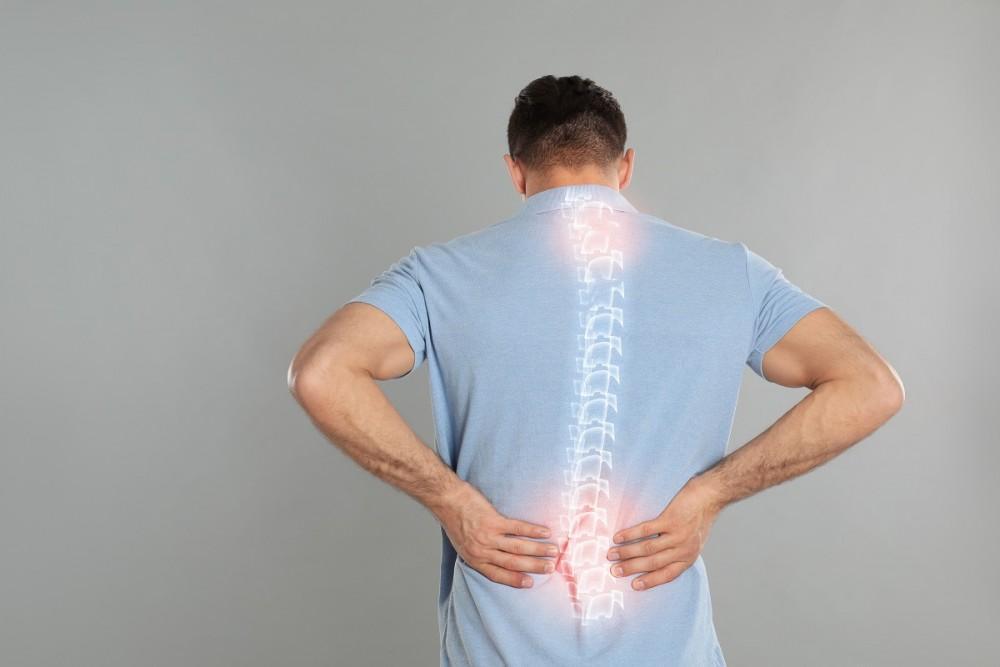
7 Back Pain Relief Exercises at Home: Physio-Approved

Are you tired of that nagging ache in your back that just wonโ€™t go away? You’re not alone. Millions of people suffer from back pain, often caused by long hours of sitting, poor posture, or a sedentary lifestyle. While reaching for a painkiller might seem like a quick fix, it doesn’t address the root cause. The real secret to lasting comfort lies in movement.

Fortunately, you donโ€™t need a gym membership to find relief. Here are 7 expert-approved back pain relief exercises at home that can help you strengthen your back, improve flexibility, and say goodbye to discomfort for good.

1. Knee-to-Chest Stretch

This simple stretch is fantastic for relieving tension in the lower back and hips. It gently elongates the lumbar spine, providing immediate relief.

  • How to do it: Lie on your back with your knees bent and feet flat on the floor.
  • Gently pull one knee towards your chest, holding it with both hands for 20-30 seconds. You should feel a comfortable stretch in your lower back.
  • Release and repeat with the other leg.
  • For a deeper stretch, pull both knees to your chest at the same time.
  • Perform 3-5 repetitions on each side.

2. Cat-Cow Stretch (Marjaryasana-Bitilasana)

A classic yoga pose, the Cat-Cow is excellent for improving spine mobility and relieving tension from your neck to your tailbone.

  • How to do it: Start on your hands and knees, with your wrists directly under your shoulders and knees under your hips.
  • Cow Pose: Inhale as you drop your belly towards the floor, lifting your chest and tailbone to the ceiling.
  • Cat Pose: Exhale as you round your spine upwards, tucking your chin to your chest and pulling your belly button in.
  • Continue flowing between these two poses for 10-15 repetitions.

3. Bird-Dog

This is a powerful exercise for improving stability in your core and lower back, which is crucial for preventing future pain.

  • How to do it: Start on your hands and knees in the same tabletop position as Cat-Cow.
  • Engage your core muscles to keep your back flat.
  • Simultaneously extend your right arm straight forward and your left leg straight back.
  • Hold for 3-5 seconds, then slowly return to the starting position.
  • Repeat on the other side (left arm, right leg). This is one rep.
  • Aim for 10-12 reps.

4. Glute Bridge

Weak glutes often contribute to lower back pain. The bridge strengthens your glutes and hamstrings, providing better support for your spine.

  • How to do it: Lie on your back with your knees bent, feet flat on the floor hip-width apart, and arms by your sides.
  • Squeeze your glutes and lift your hips off the floor until your body forms a straight line from your shoulders to your knees.
  • Hold for 5 seconds, then slowly lower your hips back down.
  • Repeat 12-15 times.

5. Pelvic Tilt

This is a subtle but incredibly effective exercise for activating deep core muscles and relieving lower back stiffness.

  • How to do it: Lie on your back with your knees bent and feet flat.
  • Gently flatten your back against the floor by tightening your abdominal muscles and tilting your pelvis upwards slightly.
  • Hold for 5-10 seconds, then relax.
  • Repeat 10-15 times.

6. Partial Crunches

Forget full sit-ups, which can strain your back. Partial crunches strengthen your core without putting unnecessary pressure on your spine.

  • How to do it: Lie on your back with knees bent and feet flat. Cross your arms over your chest or place your hands behind your head.
  • Tighten your stomach muscles and lift your head and shoulders off the floor.
  • Hold for a moment, then slowly lower back down.
  • Avoid using your neck to pull yourself up.
  • Perform 10-15 repetitions.

7. Child’s Pose (Balasana)

This resting pose is a perfect way to end your routine. It gently stretches the entire back, shoulders, and hips, promoting relaxation and reducing stress.

  • How to do it: Start on your hands and knees.
  • Sit back on your heels, then fold forward, resting your forehead on the floor.
  • Extend your arms in front of you or rest them alongside your body.
  • Breathe deeply and hold for 30-60 seconds.

Your Path to a Pain-Free Back

Incorporating these back pain relief exercises at home into your daily routine can make a world of difference. Remember to move slowly and listen to your bodyโ€”never push through sharp pain.

However, if your back pain is severe or persistent, it’s crucial to seek professional guidance. A qualified physiotherapist can provide a personalized treatment plan to address the specific cause of your pain.

Ready to take the next step? Contact Dr. Laxmi’s Physio Clinic today for a comprehensive assessment and a tailored recovery plan to get you back to living life pain-free!

Radial Nerve Palsy

ย Radial Nerve Palsy โ€“ What You Need to Know!
๐Ÿ‘ฉโ€โš•๏ธ Written by: Dr. Laxmi Gurumukhani
Jay Neuro Care & Physiotherapy Clinic
๐Ÿ“ G 10-11, Carlton Square, Kalanala, Bhavnagar, Gujarat
๐Ÿ“ž 989855080 | ๐ŸŒ drlaxmiphysio.com
โธป
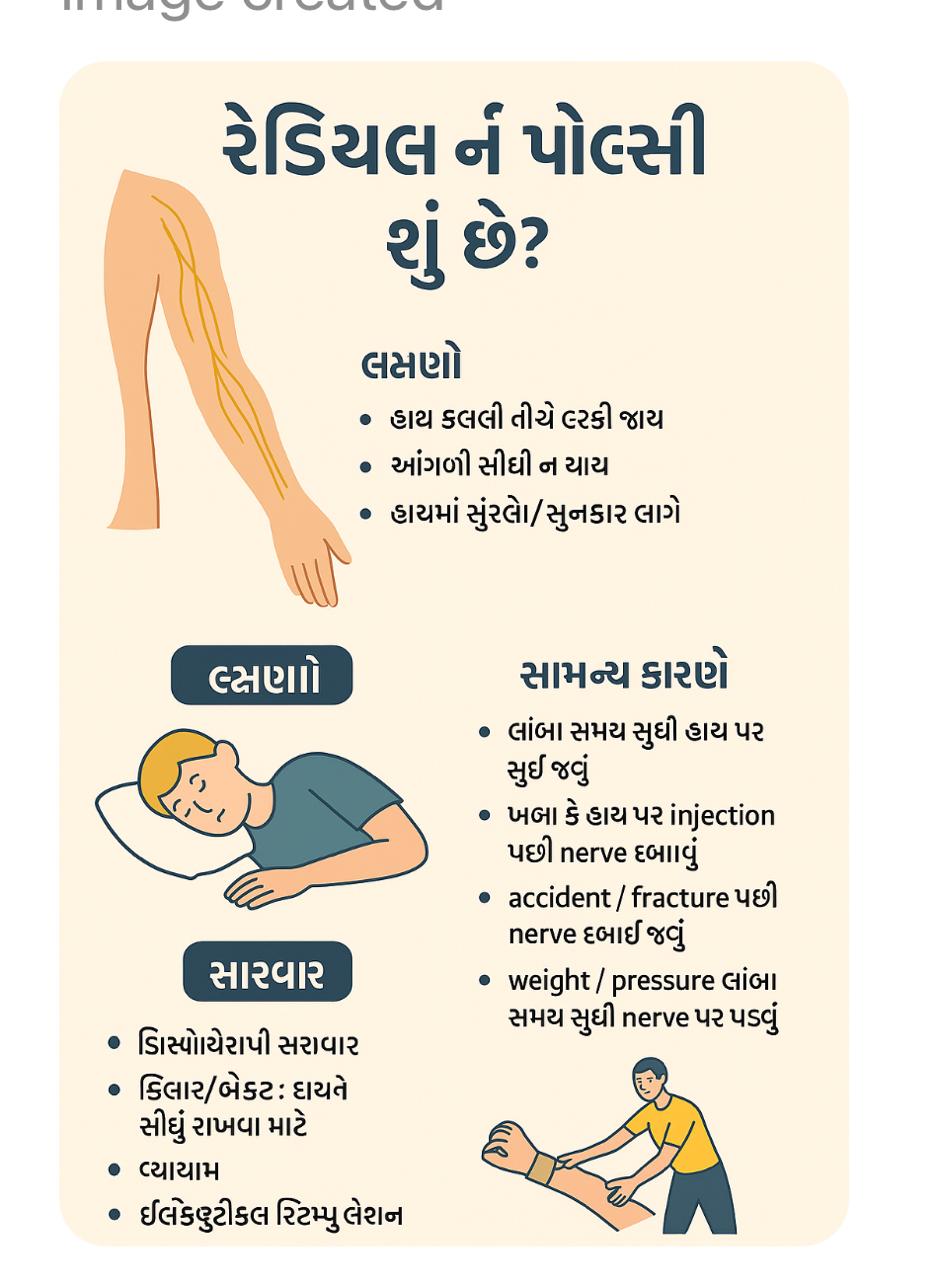
๐Ÿค” Radial Nerve Palsy เชถเซเช‚ เช›เซ‡?
Radial nerve เช เชนเชพเชฅเชจเซ‹ เชเช• เชฎเซ‹เชŸเซ‹ nerve เช›เซ‡. เช† nerve เช†เชชเชฃเชจเซ‡ เชนเชพเชฅ เช‰เช‚เชšเซ‹ เช•เชฐเชตเชพ, เช•เชพเช‚เชกเซ (wrist) เชนเชฒเชพเชตเชตเชพ, เช†เช‚เช—เชณเซ€เช“ เชธเซ€เชงเซ€ เช•เชฐเชตเชพ เชฎเชฆเชฆ เช•เชฐเซ‡ เช›เซ‡.
๐Ÿ‘‰ เชœเซ‹ เช† nerve เชฆเชฌเชพเชฏ เชœเชพเชฏ, เช–เซ‡เช‚เชšเชพเชฏ เชœเชพเชฏ เช•เซ‡ เชˆเชœเชพ เชฅเชพเชฏ, เชคเซ‹ เชคเซ‡เชจเซ‡ เช•เชนเซ‡เชตเชพเชฎเชพเช‚ เช†เชตเซ‡ เช›เซ‡ Radial Nerve Palsy
๐Ÿ›‘ Symptoms / เชฒเช•เซเชทเชฃเซ‹
เชœเซ‹ radial nerve เช•เชพเชฎ เชจ เช•เชฐเซ‡ เชคเซ‹:
โ€ขโœ‹ เชนเชพเชฅ เช•เชพเช‚เชกเชพ เชฅเซ€ เชจเซ€เชšเซ‡ เชฒเชŸเช•เซ€ เชœเชพเชฏ (๐Ÿ‘‰ โ€œWrist Dropโ€)
โ€ขโœ‹ เช†เช‚เช—เชณเซ€เช“ เชธเซ€เชงเซ€ เชจ เชฅเชพเชฏ
โ€ข๐Ÿคฒ เชนเชพเชฅ เชฎเชพ เช–เชพเชฒเซ€/เชธเซ‚เชจเช•เชพเชฐ เชฒเชพเช—เซ‡
โ€ข๐Ÿ’ช เชนเชพเชฅเชจเซ€ เชถเช•เซเชคเชฟ เช˜เชŸเซ‡
โธป
โšก Common Causes / เช•เชพเชฐเชฃเซ‹
โ€ข๐Ÿ›๏ธ เชฒเชพเช‚เชฌเชพ เชธเชฎเชฏ เชธเซเชงเซ€ เชนเชพเชฅ เชชเชฐ เชธเซ‚เชˆ เชœเชตเซเช‚ (Sleep palsy)
โ€ข๐Ÿ’‰ เช–เชญเชพ เช•เซ‡ เชนเชพเชฅ เชชเชฐ injection เชชเช›เซ€ nerve เชฆเชฌเชพเชตเซเช‚
โ€ข๐Ÿค• Accident / fracture เชชเช›เซ€ nerve เชฆเชฌเชพเชˆ เชœเชตเซเช‚
โ€ข๐Ÿ“ฆ Weight / Pressure เชฒเชพเช‚เชฌเชพ เชธเชฎเชฏ เชธเซเชงเซ€ nerve เชชเชฐ เชชเชกเชตเซเช‚
๐Ÿฉบ Treatment / เชธเชพเชฐเชตเชพเชฐ
Good news โœ…: Radial nerve palsy เช˜เชฃเซ€ เชตเชพเชฐ physiotherapy เชฅเซ€ เชธเชพเชฐเซ€ เชฅเชˆ เชœเชพเชฏ เช›เซ‡!
๐Ÿ”น 1. Physiotherapy Treatment
โ€ขโœ‹ Splint/Brace: เชนเชพเชฅเชจเซ‡ เชธเซ€เชงเซเช‚ เชฐเชพเช–เชตเชพ เชฎเชพเชŸเซ‡
โ€ข๐Ÿ‹๏ธโ€โ™€๏ธ Exercises:
โ€ขWrist extension exercise
โ€ขFinger stretching
โ€ขNerve gliding
โ€ข๐Ÿ’ก Electrical stimulation (machineเชฅเซ€ nerve เชœเชพเช—เซƒเชค เช•เชฐเชตเซ€)
โ€ข๐Ÿ‘ Manual therapy + strengthening
๐Ÿ”น 2. Lifestyle Tips
โ€ขเชฒเชพเช‚เชฌเชพ เชธเชฎเชฏ เชธเซเชงเซ€ เชนเชพเชฅ เชชเชฐ เชธเซ‚เชตเซเช‚ เชจเชนเซ€เช‚
โ€ขRegular exercise เช•เชฐเชตเซ€
โ€ขเชœเซ‹ accident/fracture เชนเซ‹เชฏ เชคเซ‹ proper care เชฒเซ‡เชตเซเช‚
๐Ÿง˜โ€โ™€๏ธ Simple Home Exercises (Under Guidance)
1๏ธโƒฃ เชนเชพเชฅเชจเซ‡ table เชชเชฐ เชฐเชพเช–เซ‹, wrist เชจเซ‡ เชงเซ€เชฎเซ‡ เชงเซ€เชฎเซ‡ เช‰เชชเชฐ-เชจเซ€เชšเซ‡ เชนเชฒเชพเชตเซ‹
2๏ธโƒฃ เช†เช‚เช—เชณเซ€เช“ เชธเซ€เชงเซ€-เชตเชพเช‚เช•เซ€ เช•เชฐเซ‹
3๏ธโƒฃ Soft ball เชฆเชฌเชพเชตเซ‹ เช…เชจเซ‡ เช›เซ‹เชกเซ‹
๐ŸŒผ Conclusion
Radial nerve palsy เชกเชฐเชตเชพเชจเซ€ เชฌเชพเชฌเชค เชจเชฅเซ€. โœ…
เชธเชฎเชฏเชธเชฐ physiotherapy + regular exercise เชฅเซ€ patient เชซเชฐเซ€ normal life เชœเซ€เชตเซ€ เชถเช•เซ‡ เช›เซ‡.
๐Ÿ“ž Contact Us
๐Ÿ‘‰ เชœเซ‹ เชคเชฎเชจเซ‡ เช•เซ‡ เชคเชฎเชพเชฐเชพ family member เชจเซ‡ Radial Nerve Palsy เชจเชพ symptoms เชฒเชพเช—เซ‡ เชคเซ‹, เชคเชฐเชค physiotherapy expert เชจเซ‡ เชฎเชณเซ‹.
๐Ÿ‘ฉโ€โš•๏ธ Dr. Laxmi Gurumukhani
Jay Neuro Care & Physiotherapy Clinic
๐Ÿ“ G 10-11, Carlton Square, Kalanala, Bhavnagar, Gujarat
๐Ÿ“ž 989855080
๐ŸŒ drlaxmiphysio.com
#RadialNervePalsy #PhysiotherapyBhavnagar #WristDropTreatment #NerveCare #JayNeuroCare

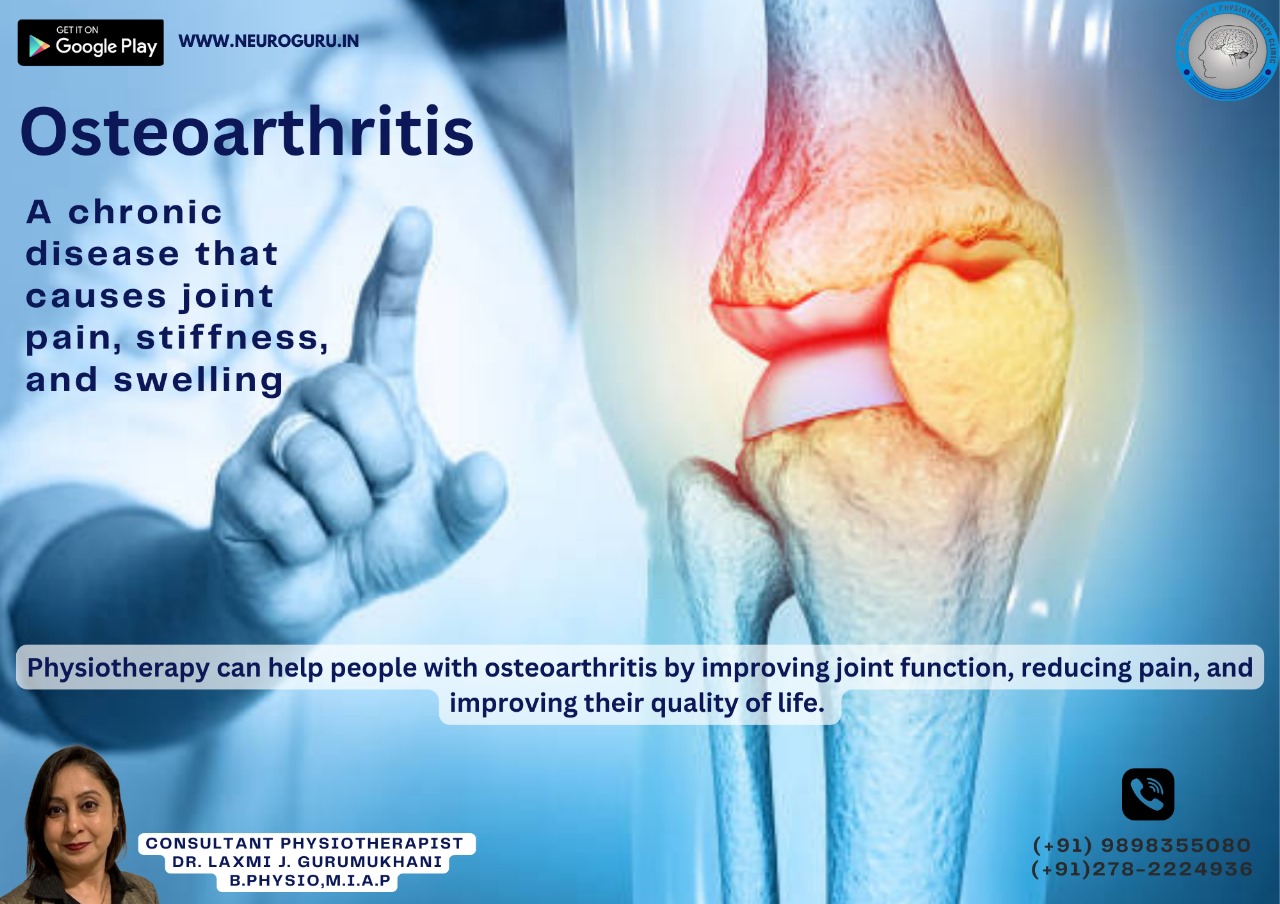
OSTEOARTHRITIS

เช˜เซ‚เช‚เชŸเชฃเชจเชพ เชฆเซเชƒเช–เชพเชตเชพ เชชเชฐ เชตเชฟเชธเซเชคเซƒเชค เชฎเชพเชนเชฟเชคเซ€ โ€“ เช•เชพเชฐเชฃ, เชธเชพเชฐเชตเชพเชฐ

เชชเชฐเชฟเชšเชฏ
เช˜เซ‚เช‚เชŸเชฃ เช เช†เชชเชฃเชพ เชถเชฐเซ€เชฐเชจเซเช‚ เชธเซŒเชฅเซ€ เชฎเซ‹เชŸเซเช‚ เช…เชจเซ‡ เชฎเชนเชคเซเชตเชชเซ‚เชฐเซเชฃ เชœเซ‹เชกเชพเชฃ เช›เซ‡. เช†เชชเชฃเซ‡ เชฐเซ‹เชœเชฟเช‚เชฆเชพ เชœเซ€เชตเชจเชฎเชพเช‚ เชŠเชญเชพ เชฐเชนเซ‡เชตเชพ, เชšเชพเชฒเชตเชพ, เชฌเซ‡เช เชพ เชฅเชตเชพ, เชธเซ€เชกเซ€ เชšเชขเชตเชพ เช…เชจเซ‡ เชŠเช‚เชšเชพ เชจเซ€เชšเชพ เช•เชพเชฎ เช•เชฐเชตเชพ เชฎเชพเชŸเซ‡ เช˜เซ‚เช‚เชŸเชฃ เชชเชฐ เช†เชงเชพเชฐ เชฐเชพเช–เซ€เช เช›เซ€เช. เชœเซเชฏเชพเชฐเซ‡ เช† เชœเซ‹เชกเชพเชฃเชฎเชพเช‚ เชฆเซเชƒเช–เชพเชตเซ‹ เชถเชฐเซ‚ เชฅเชพเชฏ เช›เซ‡ เชคเซเชฏเชพเชฐเซ‡ เชฐเซ‹เชœเชฟเช‚เชฆเชพ เช•เชพเชฎเช•เชพเชœเชฎเชพเช‚ เชฌเชนเซ เชคเช•เชฒเซ€เชซ เชฅเชคเซ€ เชนเซ‹เชฏ เช›เซ‡.

เช˜เซ‚เช‚เชŸเชฃเชฎเชพเช‚ เชฆเซเชƒเช–เชพเชตเชพเชจเซ‹ เช…เชจเซเชญเชต เชฆเชฐเซ‡เช• เช‰เช‚เชฎเชฐเชจเชพ เชฒเซ‹เช•เซ‹เชฎเชพเช‚ เชฅเชˆ เชถเช•เซ‡ เช›เซ‡, เชชเชฃ เชฎเซเช–เซเชฏเชคเซเชตเซ‡ เชตเซƒเชฆเซเชง เชฒเซ‹เช•เซ‹ เชฎเชพเช‚ เช…เชจเซ‡ เชตเชงเซ เชตเชœเชจ เชงเชฐเชพเชตเชจเชพเชฐเชพ เชตเซเชฏเช•เซเชคเชฟเช“เชฎเชพเช‚ เช เชตเชงเซ เชœเซ‹เชตเชพ เชฎเชณเซ‡ เช›เซ‡.


เช˜เซ‚เช‚เชŸเชฃเชจเชพ เชฆเซเชƒเช–เชพเชตเชพเชจเชพ เชฎเซเช–เซเชฏ เช•เชพเชฐเชฃเซ‹

1. เช“เชธเซเชŸเชฟเช“เช†เชฐเซเชฅเซเชฐเชพเช‡เชŸเชฟเชธ (Osteoarthritis)
เช† เช˜เซ‚เช‚เชŸเชฃเชจเชพ เชนเชพเชกเช•เชพเช‚ เชตเชšเซเชšเซ‡เชจเชพ เช•เชพเชฐเซเชŸเชฟเชฒเซ‡เชœ เช˜เชธเชพเชˆ เชœเชพเชฏ เช›เซ‡, เชœเซ‡เชจเชพ เช•เชพเชฐเชฃเซ‡ เชนเชพเชกเช•เชพเช‚ เชธเซ€เชงเชพ เช˜เชธเซ€ เชฆเซเชƒเช–เชพเชตเซ‹ เชฅเชคเซ‹ เชนเซ‹เชฏ เช›เซ‡. เชธเชพเชฎเชพเชจเซเชฏ เชฐเซ€เชคเซ‡ เชตเซƒเชฆเซเชงเชพเชตเชธเซเชฅเชพ เชฎเชพเช‚ เชœเซ‹เชตเชพ เชฎเชณเซ‡ เช›เซ‡.

2. เชฒเชฟเช—เชพเชฎเซ‡เชจเซเชŸ เชˆเชจเซเชœเชฐเซ€
เช˜เซ‚เช‚เชŸเชฃเชฎเชพเช‚ เช˜เชฃเชพ เชฒเชฟเช—เชพเชฎเซ‡เชจเซเชŸ เชนเซ‹เชฏ เช›เซ‡ เชœเซ‡เชฎ เช•เซ‡ ACL, PCL, MCL เชตเช—เซ‡เชฐเซ‡. เชœเซ‹ เชฐเชฎเชคเซ€ เชตเช–เชคเซ‡ เช•เซ‡ เช…เช•เชธเซเชฎเชพเชคเชฎเชพเช‚ เช† เชฒเชฟเช—เชพเชฎเซ‡เชจเซเชŸ เช–เซ‡เช‚เชšเชพเชˆ เชœเชพเชฏ เช•เซ‡ เชซเชพเชŸเซ€ เชœเชพเชฏ เชคเซ‹ เช˜เซ‚เช‚เชŸเชฃเชฎเชพเช‚ เชคเซ€เชตเซเชฐ เชฆเซเชƒเช–เชพเชตเซ‹ เชฅเชพเชฏ เช›เซ‡.

3. เชฎเซ‡เชจเชฟเชธเซเช•เชธ เชˆเชจเซเชœเชฐเซ€
เชฎเซ‡เชจเชฟเชธเซเช•เชธ
เชธเชพเชฎเชพเชจเซเชฏ เชฐเซ€เชคเซ‡ เช˜เซเช‚เชŸเชฃ เชฎเชพเช‚ เชฌเซ‡ เชฎเซ‡เชจเซ€เชธเซเช•เชธ เชนเซ‹เชฏ เช›เซ‡ เชœเซ‡ เช˜เซเช‚เชŸเชฃ เชจเซ‡ เชตเชพเชณเชคเชพเช‚ เชซเชพเชŸเซ€ เชœเชพเชฏ เชคเซ‹ เช˜เซ‚เช‚เชŸเชฃ เชฒเชพเช•เชกเชพ เชœเซ‡เชตเชพ เช•เชกเช• เชฅเชˆ เชœเชพเชฏ เช›เซ‡.

4. เชชเซ‡เชŸเซ‡เชฒเซ‹เชซเซ‡เชฎเซ‹เชฐเชฒ เชชเซ‡เช‡เชจ เชธเชฟเชจเซเชกเซเชฐเซ‹เชฎ
เช† เชฎเซ‹เชŸเชพ เชญเชพเช—เซ‡ เชฏเซเชตเชพเช“เชฎเชพเช‚ เชœเซ‹เชตเชพ เชฎเชณเซ‡ เช›เซ‡. เช˜เซ‚เช‚เชŸเชฃ เชจเชพ เช†เช—เชณ เชจเชพ เชญเชพเช—เชฎเชพเช‚ เชฆเซเชƒเช–เชพเชตเซ‹ เชฅเชพเชฏ เช›เซ‡ เช–เชพเชธ เช•เชฐเซ€เชจเซ‡ เชธเซ€เชกเซ€ เชšเชขเชคเชพเช‚ เช•เซ‡ เชฒเชพเช‚เชฌเชพ เชธเชฎเชฏ เชธเซเชงเซ€ เชฌเซ‡เช เชพ เชฐเชนเซ‡เชตเชพเชฅเซ€ เชคเซ€เชตเซเชฐ เชฆเซเชƒเช–เชพเชตเซ‹ เชฅเชพเชฏ เช›เซ‡.

5. เช˜เซ‚เช‚เชŸเชฃ เชชเชฐ เชตเชงเชพเชฐเซ‡ เชญเชพเชฐ เชชเชกเชตเซ‹
เชตเชงเชพเชฐเซ‡ เชตเชœเชจ เชงเชฐเชพเชตเชตเซเช‚, เชŠเช‚เชšเช•เชพเชตเชพเชจเซ€ เช†เชฆเชค, เชตเชงเชพเชฐเซ‡ เชŠเชญเชพ เชฐเชนเซ‡เชตเซเช‚ เช•เซ‡ เช˜เซ‚เช‚เชŸเชฃ เชตเชพเชณเซ€เชจเซ‡ เชฌเซ‡เชธเชตเชพเชจเซ€ เช†เชฆเชคเชฅเซ€ เชชเชฃ เช˜เซ‚เช‚เชŸเชฃ เชฆเซเช–เซ€ เชถเช•เซ‡ เช›เซ‡.


เชฆเซเชƒเช–เชพเชตเชพเชจเชพ เชฒเช•เซเชทเชฃเซ‹ เชถเซเช‚ เชนเซ‹เชˆ เชถเช•เซ‡?


เช˜เซ‚เช‚เชŸเชฃเชฎเชพเช‚ เชธเชคเชค เช•เซ‡ เชธเชฎเชฏเชพเช‚เชคเชฐเซ‡ เชฆเซเชƒเช–เชพเชตเซเช‚

เชชเช— เชตเชพเชณเชตเชพเชฎเชพเช‚ เช•เซ‡ เชธเซ€เชงเซเช‚ เช•เชฐเชตเชพเชจเซเช‚ เชฎเซเชถเซเช•เซ‡เชฒ เชฅเชตเซเช‚

เชธเซ‹เชœเซ‹ เชฆเซ‡เช–เชพเชตเซ‹

เช˜เซ‚เช‚เชŸเชฃเชฎเชพเช‚เชฅเซ€ เช…เชตเชพเชœ เช†เชตเชตเซ‹ (โ€˜เช–เชŸโ€™ ‘เช–เชŸเช•โ€™)

เชšเชพเชฒเชคเซ€ เชตเช–เชคเซ‡ เช˜เซ‚เช‚เชŸเชฃ เชฒเซ‚เช เชฒเชพเช—เชตเซเช‚


เชซเชฟเชเชฟเชฏเซ‹เชฅเซ‡เชฐเชพเชชเซ€ เช•เซ‡เชตเซ€ เชฐเซ€เชคเซ‡ เชซเชพเชฏเชฆเชพเช•เชพเชฐเช• เช›เซ‡?


เชซเชฟเชเชฟเชฏเซ‹เชฅเซ‡เชฐเชพเชชเซ€ เช เชฆเชตเชพเช“ เช…เชจเซ‡ เช“เชชเชฐเซ‡เชถเชจ เชตเช—เชฐเชจเซ€ เชธเชพเชฐเชตเชพเชฐ เชชเชฆเซเชงเชคเชฟ เช›เซ‡. เชฏเซ‹เช—เซเชฏ เช•เชธเชฐเชคเซ‹ เช…เชจเซ‡ เชธเชพเชงเชจเซ‹ เชฆเซเชตเชพเชฐเชพ เชฆเซเชƒเช–เชพเชตเชพเชจเซ‡ เช˜เชŸเชพเชกเชตเชพเชฎเชพเช‚ เช…เชจเซ‡ เช˜เซ‚เช‚เชŸเชฃ เชจเชพ เชนเชฒเชจ เชšเชฒเชจ เชฎเชพเช‚ เชธเซเชงเชพเชฐเชตเชพเชฎเชพเช‚ เชฎเชฆเชฆเชฐเซ‚เชช เชฌเชจเซ‡ เช›เซ‡.

เชฎเซเช–เซเชฏ เชซเชฟเชเชฟเชฏเซ‹เชฅเซ‡เชฐเชพเชชเซ€ เชชเช—เชฒเชพเช‚:

เชจเชฟเชฏเชฎเซ€เชค เช•เชธเชฐเชคเซ‹:
เช–เชพเชธ เช˜เซ‚เช‚เชŸเชฃ เชฎเชพเชŸเซ‡เชจเซ€ เช•เชธเชฐเชคเซ‹ เชœเซ‡ เชชเช—เชจเชพ เชธเซเชจเชพเชฏเซเช“ เชฎเชœเชฌเซ‚เชค เช•เชฐเซ‡ เช›เซ‡. เชœเซ‡เชฎ เช•เซ‡ เช•เซเชตเชพเชกเซเชฐเชฟเชธเซ‡เชชเซเชธ เชธเซ‡เชŸ, เชธเซเชŸเซเชฐเซ‡เช‡เชŸ เชฒเซ‡เช— เชฐเซ‡เช‡เช, เชนเซ‡เชฎเชธเซเชŸเซเชฐเชฟเช‚เช— เชธเซเชŸเซเชฐเซ‡เชš เชตเช—เซ‡เชฐเซ‡.

เช‡เชฒเซ‡เช•เซเชŸเซเชฐเซ‹เชฅเซ‡เชฐเชพเชชเซ€:
เชœเซ‡เชตเซ€ เช•เซ‡ TENS, IFT, เช…เชฒเซเชŸเซเชฐเชพเชธเชพเช‰เชจเซเชก เชฅเซ‡เชฐเชพเชชเซ€ เชœเซ‡ เชฆเซเชƒเช–เชพเชตเซ‹ เช…เชจเซ‡ เชธเซ‹เชœเซ‹ เช˜เชŸเชพเชกเชตเชพเชฎเชพเช‚ เชฎเชฆเชฆเชฐเซ‚เชช เชฅเชพเชฏ เช›เซ‡.

เชนเซ‹เชŸ เช…เชจเซ‡ เช•เซ‹เชฒเซเชก เชชเซ‡เช•:
เชนเชพเชกเช•เชพเช‚ เช…เชจเซ‡ เชฎเชธเชฒเซเชธ เชฎเชพเชŸเซ‡ เช†เชฐเชพเชฎเชฆเชพเชฏเช• เชนเซ‹เชฏ เช›เซ‡. เชธเซ‹เชœเซ‹ เชนเซ‹เชฏ เชคเซเชฏเชพเชฐเซ‡ เช•เซ‹เชฒเซเชก เชชเซ‡เช• เช…เชจเซ‡ เชฆเซเชƒเช–เชพเชตเซ‹ เชนเซ‹เชฏ เชคเซเชฏเชพเชฐเซ‡ เชนเซ‹เชŸ เชชเซ‡เช• เช‰เชชเชฏเซ‹เช—เซ€ เช›เซ‡.

เช—เซ‡เชŸ เชŸเซเชฐเซ‡เช‡เชจเชฟเช‚เช— เช…เชจเซ‡ เชฌเซ‡เชฒเซ‡เชจเซเชธ เชŸเซเชฐเซ‡เชจเชฟเช‚เช—:
เชšเชพเชฒเชตเชพเชฎเชพเช‚ เช…เชจเชฟเชฏเชฎเชฟเชคเชคเชพ เชนเซ‹เชฏ เชคเซ‹ เชšเชพเชฒเชตเชพเชจเซ€ เชฐเซ€เชค เชธเซเชงเชพเชฐเชตเซ€ เช…เชจเซ‡ เชธเช‚เชคเซเชฒเชจ เชœเชพเชณเชตเชตเชพ เชคเชพเชฒเซ€เชฎ เช†เชชเชตเซ€.

เช…เชจเซเชฏ เช˜เซเชฏเชพเชจ เชฐเชพเช–เชตเชพเช‚ เชœเซ‡เชตเซ€ เชฌเชพเชฌเชคเซ‹

* เชตเชœเชจ เช“เช›เซเช‚ เช•เชฐเชตเซเช‚ โ€“ เชฆเชฐเซ‡เช• เช•เชฟเชฒเซ‹ เชตเชงเชพเชฐเชพเชจเชพ เชตเชœเชจเชฅเซ€ เช˜เซ‚เช‚เชŸเชฃ เชชเชฐ เชตเชงเชพเชฐเซ‡ เชฆเชฌเชพเชฃ เชชเชกเซ‡ เช›เซ‡.

*เชฌเซ‡เช เชพ เชฌเซ‡เช เชพ เชชเช— เชŠเช‚เชšเชพ เช•เชฐเชตเชพเชจเชพเช‚ เชตเซเชฏเชพเชฏเชพเชฎ เช•เชฐเชตเซ‹.

*เชฒเชพเช‚เชฌเชพ เชธเชฎเชฏ เชธเซเชงเซ€ เชŠเชญเชพ เชจ เชฐเชนเซ‡เชตเซเช‚.

*เชธเซ€เชกเซ€ เชšเชขเชตเชพ-เช‰เชคเชฐเชตเชพเชฎเชพเช‚ เช•เชพเชณเชœเซ€ เชฐเชพเช–เชตเซ€.

*เช†เชฐเชพเชฎ เช…เชจเซ‡ เชชเซเชฐเชคเซ€ เชŠเช‚เช˜ เชฒเซ‡เชตเซ€.

เชกเซ‰เช•เซเชŸเชฐ เช•เซ‡ เชซเชฟเชเชฟเชฏเซ‹เชฅเซ‡เชฐเชพเชชเซ€เชธเซเชŸเชจเซ‹ เชธเช‚เชชเชฐเซเช• เช•เซเชฏเชพเชฐเซ‡ เช•เชฐเชตเซ‹?

*เชฆเซเชƒเช–เชพเชตเซ‹ เชธเชคเชค เชตเชงเชคเซ‹ เชœเชพเชฏ

*เช˜เซ‚เช‚เชŸเชฃ เชฎเชพเช‚ เชธเซ‹เชœเชพ เชจเซเช‚ เชตเชงเชคเซเช‚ เชชเซเชฐเชฎเชพเชฃ

*เชšเชพเชฒเชตเชพเชฎเชพเช‚ เชฎเซเชถเซเช•เซ‡เชฒเซ€เช“ เชชเชกเชตเซ€

*เชฆเซเชƒเช–เชพเชตเชพ เชจเชพ เชฒเซ€เชงเซ‡ เชŠเช‚เช˜ เชจ เช†เชตเชตเซ€

*เช˜เชฐเซ‡เชฒเซเช‚ เช‰เชชเชพเชฏเซ‹ เชฎเชพเชŸเซ‡ 2-3 เช…เช เชตเชพเชกเชฟเชฏเชพ เชชเช›เซ€ เชชเชฃ เชซเชฐเซเช• เชจ เชชเชกเซ‡

เช˜เซ‚เช‚เชŸเชฃเชจเซเช‚ เชธเซเชตเชพเชธเซเชฅเซเชฏ เชฒเชพเช‚เชฌเชพ เชธเชฎเชฏ เชธเซเชงเซ€ เชœเชพเชณเชตเชตเซเช‚ เชถเช•เซเชฏ เช›เซ‡ เชœเซ‹ เช†เชชเชฃเซ‡ เชธเชฎเชฏเชธเชฐ เช•เชพเชณเชœเซ€ เชฒเชˆเช. เชซเชฟเชเชฟเชฏเซ‹เชฅเซ‡เชฐเชพเชชเซ€ เช เช˜เซ‚เช‚เชŸเชฃเชจเชพ เชฆเซเชƒเช–เชพเชตเชพเชจเซ€ เช…เชธเชฐเช•เชพเชฐเช• เช…เชจเซ‡ เช“เชชเชฐเซ‡เชถเชจ เชตเช—เชฐเชจเซ€ เชธเชพเชฐเชตเชพเชฐ เช›เซ‡. เชธเชคเชค เช•เชธเชฐเชค, เชฏเซ‹เช—เซเชฏ เช–เซ‹เชฐเชพเช•, เชตเชœเชจ เชจเชฟเชฏเช‚เชคเซเชฐเชฃ เช…เชจเซ‡ เชจเชฟเชทเซเชฃเชพเชคเชจเซ€ เชธเชฒเชพเชนเชฅเซ€ เช˜เซ‚เช‚เชŸเชฃ เชธเซเชตเชธเซเชฅ เชฐเชนเซ€ เชถเช•เซ‡ เช›เซ‡.

เชคเชฎเซ‡ เช†เชœเซ‡ เช•เชพเชณเชœเซ€ เชฒเซ‹, เชœเซ‡เชฅเซ€ เช•เชฐเซ€ เชญเชตเชฟเชทเซเชฏเชฎเชพเช‚ เชšเชพเชฒเชตเชพเชฎเชพเช‚ เชฎเซเชถเซเช•เซ‡เชฒเซ€ เชจ เชชเชกเซ‡!

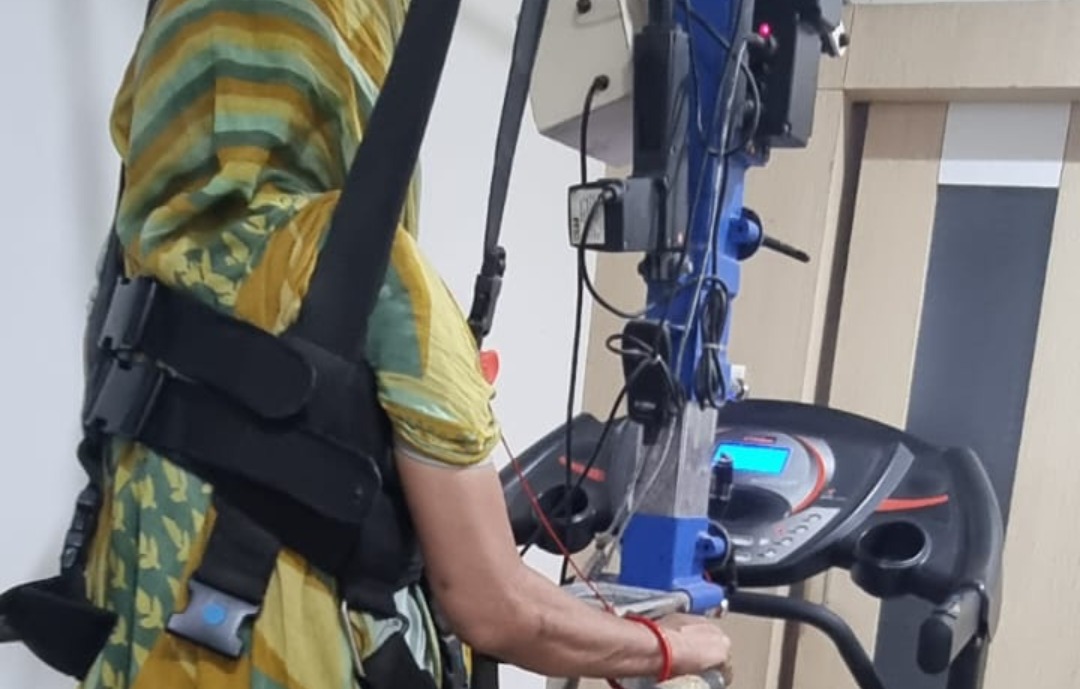
Body Weight Support

Empowering Recovery: The Role of Body Weight Support in Stroke Rehabilitation.

Introduction:
Stroke, a life-altering event, often leaves individuals grappling with physical challenges that demand extensive rehabilitation. As a physiotherapist, one of the groundbreaking approaches you might employ is body weight support (BWS) therapy. This innovative technique plays a pivotal role in restoring mobility, balance, and overall functionality for stroke survivors.

Body Weight Support Defined:

Body weight support involves suspending a portion of the patients body weight to alleviate the impact of gravity during rehabilitation exercises. This support is typically provided through specialized equipment like harnesses attached to overhead systems or robotic devices designed to facilitate controlled movements.

Benefits of Body Weight Support for Stroke Patients:

Reduced Impact of Gravity: By partially lifting the patients weight, BWS minimizes the gravitational forces that can impede movement, making it easier for stroke survivors to engage in exercises without excessive strain.
Enhanced Gait Training: BWS allows physiotherapists to focus on gait training, a critical aspect of stroke rehabilitation. Patients can practice walking with a more natural stride and rhythm, fostering better muscle memory and coordination.
Increased Repetitions and Duration: Patients often struggle with fatigue during traditional rehabilitation exercises. BWS enables longer sessions and increased repetitions, promoting neuroplasticity and accelerating the recovery process.
Improved Postural Control: Stroke survivors commonly experience challenges in maintaining proper posture. BWS assists in retraining postural control by providing the necessary support, allowing patients to focus on regaining stability and balance.
Customizable Support Levels: BWS systems are adjustable, allowing physiotherapists to tailor the amount of support based on individual patient needs and progression. This flexibility ensures that therapy remains challenging yet achievable.
Enhanced Confidence: Feeling secure during rehabilitation is crucial for stroke survivors. BWS instills a sense of confidence, encouraging patients to push their limits and actively participate in their recovery journey.

Application in Daily Activities:

Physiotherapists can integrate BWS into various activities that simulate daily tasks, such as reaching for objects, standing up from a chair, or climbing stairs. This functional approach not only promotes physical recovery but also empowers stroke survivors to regain independence in their daily lives.

Challenges and Considerations:

While BWS therapy offers numerous benefits, its essential to recognize the potential challenges. Assessing each patients suitability for this approach and adjusting support levels accordingly is crucial. Additionally, ongoing evaluation is necessary to track progress and make informed adjustments to the rehabilitation plan.

Conclusion:

As a physiotherapist, incorporating body weight support into stroke rehabilitation protocols opens new avenues for holistic recovery. This innovative technique goes beyond traditional methods, offering stroke survivors an opportunity to rebuild their lives with increased mobility, confidence, and independence. Through diligent application and continuous adaptation, body weight support emerges as a cornerstone in the journey toward post-stroke rehabilitation success.

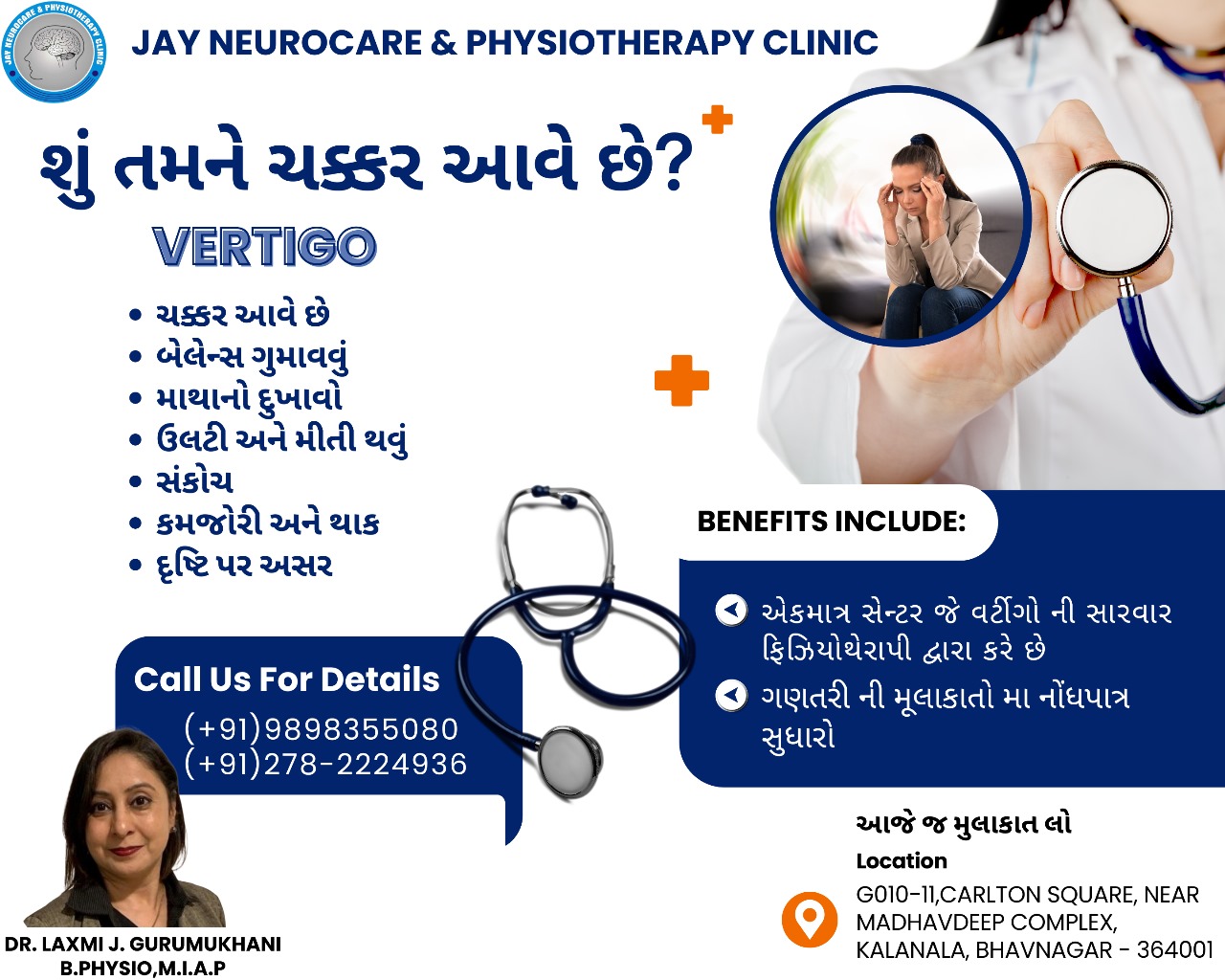
VERTIGO #2

เชตเชฐเซเชŸเชฟเช—เซ‹ (เชšเช•เซเช•เชฐ เช†เชตเชตเชพ) เชตเชฟเชถเซ‡ เชฎเชพเชนเชฟเชคเซ€
เชšเช•เซเช•เชฐ เช†เชตเชตเชพ เช เชเชตเซ€ เชธเซเชฅเชฟเชคเชฟ เช›เซ‡ เชœเซ‡เชฎเชพเช‚ เชตเซเชฏเช•เซเชคเชฟเชจเซ‡ เชเช• เชเชตเซเช‚ เช…เชจเซเชญเชต เชฅเชพเชฏ เช›เซ‡ เช•เซ‡, เชคเซ‡ เช…เชฅเชตเชพ เชคเซ‡เชจเซ€ เช†เชธเชชเชพเชธเชจเซ€ เชตเชธเซเชคเซเช“ เช—เซ‹เชณ เช—เซ‹เชณ เชซเชฐเซ€ เชฐเชนเซ€ เช›เซ‡. เช† เชเชตเซ€ เชธเซเชฅเชฟเชคเชฟ เช›เซ‡, เชœเซ‡ เชตเซเชฏเช•เซเชคเชฟเชจเชพ เชฆเซˆเชจเชฟเช• เชœเซ€เชตเชจ เชชเชฐ เชชเซเชฐเชคเชฟเช•เซ‚เชณ เชชเซเชฐเชญเชพเชต เชชเชพเชกเซ‡ เช›เซ‡.

เชšเช•เซเช•เชฐ เช†เชตเชคเซ€ เชตเช–เชคเซ‡ เช•เซ‡เชŸเชฒเซ€เช• เชธเชพเชฎเชพเชจเซเชฏ เชฒเช•เซเชทเชฃเซ‹ เชœเซ‹เชตเชพ เชฎเชณเซ€ เชถเช•เซ‡ เช›เซ‡:

1. เชšเช•เซเช•เชฐ เช†เชตเซ‡ เช›เซ‡ โ€“ เชตเซเชฏเช•เซเชคเชฟเชจเซ‡ เชเชตเซเช‚ เช…เชจเซเชญเชต เชฅเชพเชฏ เช›เซ‡ เช•เซ‡ เช†เชธเชชเชพเชธเชจเซ€ เชœเช—เซเชฏเชพ เช—เซ‹เชณ เช—เซ‹เชณ เชซเชฐเซ€ เชฐเชนเซ€ เช›เซ‡.

2. เชฌเซ‡เชฒเซ‡เชจเซเชธ เช—เซเชฎเชพเชตเชตเซเช‚ โ€“ เชšเชพเชฒเชคเชพ เชธเชฎเชฏเซ‡ เช…เชšเชพเชจเช• เชฌเซ‡เชฒเซ‡เชจเซเชธ เช—เซเชฎเชพเชตเชตเซ‹, เชœเซ‡ เชถเชฐเซ€เชฐ เช…เชจเซ‡ เชฎเชจเชจเซ‡ เช…เชธเซเชคเชตเซเชฏเชธเซเชค เชฌเชจเชพเชตเซ€ เชฆเซ‡ เช›เซ‡.

3. เชฎเชพเชฅเชพเช‚ เชจเซ‹ เชฆเซเชƒเช–เชพเชตเซ‹ โ€“ เชšเช•เซเช•เชฐ เชจเชพ เช•เชพเชฐเชฃเซ‡ เชฎเชพเชฅเชพเชฎเชพเช‚ เชคเซ€เชตเซเชฐ เชฆเซเชƒเช–เชพเชตเซ‹ เชชเชฃ เชฅเชˆ เชถเช•เซ‡ เช›เซ‡,

4. เชŠเชฒเชŸเซ€ เชฅเชตเซ€ โ€“ เชฅเซ‹เชกเซ€เชตเชพเชฐเชฎเชพเช‚ เชœ เชŠเชฒเชŸเซ€ เช…เชจเซ‡ เช‰เชฌเช•เชพ เชฅเชพเชฏ เช›เซ‡.

5. เชกเชฐ โ€“เชฎเชพเชฃเชธ เช…เชšเชพเชจเช• เชชเชกเชตเชพเชจเซ€ เชฌเซ€เช• เชฅเชˆ เชกเชฐเชตเชพ เชฒเชพเช—เซ‡ เช›เซ‡

6. เช•เชพเชฎเชœเซ‹เชฐเซ€ เช…เชจเซ‡ เชฅเชพเช• โ€“ เชšเช•เช•เชฐ เชจเชพ เช•เชพเชฐเชฃเซ‡ เชถเชฐเซ€เชฐ เชฎเชพเช‚ เช•เชพเชฎเชœเซ‹เชฐเซ€ เช…เชจเซ‡ เชฅเชพเช• เชจเซ‹ เช…เชจเซเชญเชต เชฅเชพเชฏ เช›เซ‡ เช…เชจเซ‡ เชธเซ‚เชคเชพเช‚ เชœ เชฐเชนเซ‡เชตเชพเชจเซเช‚ เชฎเชจ เชฅเชพเชฏ เช›เซ‡

7. เชฆเซƒเชทเซเชŸเชฟ เชชเชฐ เช…เชธเชฐ โ€“ เชšเช•เซเช•เชฐ เช†เชตเชคเซ€ เชตเช–เชคเซ‡ เชฆเซƒเชทเซเชŸเชฟ เช…เชธเชนเชœ เชฅเชˆ เชœเชพเชฏ เช›เซ‡, เชœเซเชฏเชพเช‚ เชฎเชพเชฃเชธ เชจเซ‡ เชงเซ‚เช‚เชงเชณเซเช‚ เชฆเซ‡เช–เชพเชฏ เช›เซ‡.


เชšเช•เซเช•เชฐ เช†เชตเชตเชพ เชจเซเช‚ เช•เชพเชฐเชฃ เช…เชจเซ‡ เชธเชพเชฐเชตเชพเชฐ
เชšเช•เซเช•เชฐ เช†เชตเชตเชพ เชจเซเช‚ เชฎเซเช–เซเชฏ เช•เชพเชฐเชฃ เชฎเชพเชฅเชพเชจเชพ เช…เช‚เชฆเชฐเชจเชพเช‚ เช•เชพเชจ เชธเชพเชฅเซ‡ เชธเช‚เชฌเช‚เชงเชฟเชค เชนเซ‹เชฏ เชถเช•เซ‡ เช›เซ‡, เชœเซ‡เชฎ เช•เซ‡ เชฌเซ‡เชจเซ‡เช—เชฐ เช…เชฅเชตเชพ เชฎเซ‡เชจเชฟเชฏเชฐเซเชธ เชกเชฟเชธเซ€เช. เชชเชฃ, เชฎเชพเชฅเชพเชจเชพ เช…เช‚เชฆเชฐเชจเซเช‚ เชฌเซ€เชฎเชพเชฐเซ€, เชฎเชพเช‡เช—เซเชฐเซ‡เชจ, เช…เชฅเชตเชพ เชจเซเชฏเซเชฐเชฒเชœเชฟเช•เชฒ เช•เช‚เชกเชฟเชถเชจเซเชธ เชชเชฃ เชนเซ‹เชˆ เชถเช•เซ‡ เช›เซ‡.

เชซเชฟเชเชฟเชฏเซ‹เชฅเซ‡เชฐเชชเซ€ เชจเชพ เชฆเซเชตเชพเชฐเชพ เชฏเซ‹เช—เซเชฏ เช•เชพเชธเชฐเชคเซ‹ เช…เชจเซ‡ เชคเชพเชฒเซ€เชฎเซ‹เชฅเซ€ เชฆเซเชฐเชทเซเชŸเชฟ เช…เชจเซ‡ เชฌเซ‡เชฒเซ‡เชจเซเชธ เชธเซเชงเชพเชฐเชฃเชพ เช•เชฐเซ€ เชถเช•เชพเชฏ เช›เซ‡. เชœเซ‹ เชคเชฎเชจเซ‡ เช‰เชชเชฐ เชœเชฃเชพเชตเซ‡เชฒเชพ เชฒเช•เซเชทเชฃเซ‹ เช…เชจเซเชญเชตเชพเชฏ เช›เซ‡, เชคเซ‹ เชซเชฟเชเชฟเชฏเซ‹เชฅเซ‡เชฐเชพเชชเซ€ เชจเซ‹ เชธเช‚เชชเชฐเซเช• เช•เชฐเชตเซ‹ เชฏเซ‹เช—เซเชฏ เชฐเชนเซ‡เชถเซ‡.

Advance Robotic Therapy

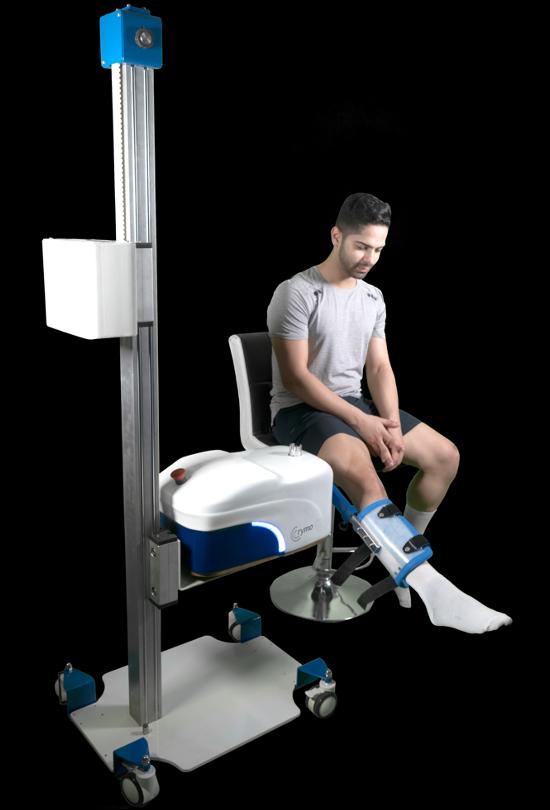
Q1. What is the Robotic device Crymo?

Ans. The Crymo is a revolutionary robotic device designed to assist in physiotherapy treatments. This bad boy is not just any robot รขโ‚ฌโ€œ its a superhero in the world of physio. Need help with your muscles or nerves? Crymos got your back! From sprained ankles to stroke recovery, this dude does it all.

Q2. What are the Advantages of Crymo Over Traditional Physiotherapy?

Ans. One of the key advantages of the Crymo over traditional physiotherapy methods is its ability to provide consistent and accurate movements. Crymos like your GPS รขโ‚ฌโ€œ it knows exactly where you need to go and how to get you there. No more oops, wrong turn moments! Unlike manual therapy, which relies on the skill and strength of the therapist, the Crymo ensures uniformity in treatment, minimizing human error. Furthermore, the Crymo enables therapists to monitor progress more effectively through data tracking and analysis. This allows for adjustments in treatment plans based on objective feedback, enhancing patient outcomes. Crymos like having your own cheer squad. It tracks your progress, celebrates your victories, and keeps you motivated every step of the way. Who needs a gym buddy when you have got Crymo, am I right?

Q 3. What is the indication of use of Crymo?

Musculoskeletal Injuries : Crymo plays a pivotal role in the rehabilitation of musculoskeletal injuries by providing targeted therapy to affected areas. It assists in improving range of motion, strength, and flexibility in injured muscles.

Neurological Conditions : For patients with neurological disorders such as stroke, spinal cord injuries, or Parkinsons disease, Crymo serves as a valuable tool in retraining motor skills and enhancing mobility. It aids in regaining control and coordination.

Gait Training : Crymo is instrumental in gait training, particularly for patients recovering from orthopedic surgeries, neurological impairments, or those with gait abnormalities. It helps simulate natural walking patterns and provides support during the rehabilitation process.

Balance Rehabilitation : Patients recovering from balance impairments due to injuries, aging, or neurological conditions benefit from Crymos assistance in balance exercises. It offers controlled movements and stability challenges to improve proprioception and reduce the risk of falls.

Upper Extremity Therapy : Crymo provides tailored exercises for the arms, shoulders, and hands, aiding in the recovery of strength, range of motion, and functional abilities. It is particularly beneficial for patients recovering from fractures, surgeries, or conditions such as arthritis.

Sports Injury Recovery : Athletes undergoing rehabilitation for sports-related injuries utilize Crymo to accelerate recovery and restore optimal function. Its precise movements and customizable programs target specific muscle groups, facilitating a safe return to sports activities.

Q 4.What are the limitations of Crymo?

Ans. lets keep it real รขโ‚ฌโ€œ Crymos not perfect. Sure, its a rock star in the therapy world, but its not cheap. You gotta have some serious cash to roll with this crew. And let us not forget, sometimes you just need that human touch รขโ‚ฌโ€œ nothing beats a good ol massage from your favorite therapist.

Conclusion:
In conclusion, the Crymo is a remarkable tool that has transformed the landscape of physiotherapy. Its precise movements, data-driven approach, and ability to augment traditional methods make it a valuable asset in rehabilitation settings. While its not without limitations, the benefits it offers in terms of patient outcomes and therapeutic effectiveness are undeniable.

เช•เชฎเชฐเชจเซ‹ เชฆเซเช–เชพเชตเซ‹

เช•เชฎเชฐ เชจเซ‹ เชฆเซเช–เชพเชตเซ‹
เช•เชฎเชฐ เชจเซ‹ เชฆเซเช–เชพเชตเซ‹ เช เชเช• เชธเชพเชฎเชพเชจเซเชฏ เชธเชฎเชธเซเชฏเชพ เช›เซ‡ เชœเซ‡ เช˜เชฃเชพ เชฒเซ‹เช•เซ‹เชจเซ‡ เชคเซ‡เชฎเชจเชพ เชœเซ€เชตเชจเชฎเชพเช‚ เช…เชฎเซเช• เชธเชฎเชฏเซ‡ เช…เชธเชฐ เช•เชฐเซ‡ เช›เซ‡. เชคเซ‡ เชจเชฌเชณเชพ เชธเซเชจเชพเชฏเซ เช…เชจเซ‡ เชคเชฌเซ€เชฌเซ€ เชธเซเชฅเชฟเชคเชฟ เชธเชนเชฟเชค เชตเชฟเชตเชฟเชง เชชเชฐเชฟเชฌเชณเซ‹เชจเซ‡ เช•เชพเชฐเชฃเซ‡ เชฅเชˆ เชถเช•เซ‡ เช›เซ‡.
เช•เชฎเชฐ เชจเชพ เชฆเซเช–เชพเชตเชพเชจเซ‡ เชธเชฎเชœเชตเซเช‚ เช…เชจเซ‡ เชคเซ‡เชจเซเช‚ เชธเช‚เชšเชพเชฒเชจ เช•เชฐเชตเชพเชฎเชพเช‚ เชคเชฎเชพเชฐเซ€ เชธเชนเชพเชฏ เชฎเชพเชŸเซ‡ เช…เชนเซ€เช‚ เช•เซ‡เชŸเชฒเชพเช• เชธเชฐเชณ เชชเช—เชฒเชพเช‚ เช›เซ‡.

เช•เชฎเชฐ เชจเชพ เชฆเซเช–เชพเชตเชพเชจเชพ เช•เชพเชฐเชฃเซ‹

เช•เชฎเชฐ เชจเซ‹ เชฆเซเช–เชพเชตเซ‹ เชญเชพเชฐเซ‡ เชตเชธเซเชคเซเช“เชจเซ‡ เช–เซ‹เชŸเซ€ เชฐเซ€เชคเซ‡ เช‰เชชเชพเชกเชตเชพ, เชฒเชพเช‚เชฌเชพ เชธเชฎเชฏ เชธเซเชงเซ€ เชฌเซ‡เชธเซ€ เชฐเชนเซ‡เชตเชพเชฅเซ€ เช…เชฅเชตเชพ เช…เชšเชพเชจเช• เชเชŸเช•เชพ เชธเชพเชฅเซ‡ เชนเชฒเชจเชšเชฒเชจ เช•เชฐเชตเชพเชฅเซ€ เชฅเชˆ เชถเช•เซ‡ เช›เซ‡. เช•เซ‡เชŸเชฒเซ€เช•เชตเชพเชฐ, เชธเช‚เชงเชฟเชตเชพ,เชกเชฟเชธเซเช• (เช—เชพเชฆเซ€ เช–เชธเซ€ เชœเชตเซ€ )เช…เชฅเชตเชพ เช‘เชธเซเชŸเชฟเชฏเซ‹เชชเซ‹เชฐเซ‹เชธเชฟเชธ เชœเซ‡เชตเซ€ เชชเชฐเชฟเชธเซเชฅเชฟเชคเชฟเช“ เชชเชฃ เช•เชฎเชฐ เชจเซ‹ เชฆเซเช–เชพเชตเซ‹ เชชเซ‡เชฆเชพ เช•เชฐเซ€ เชถเช•เซ‡ เช›เซ‡.

เช•เชฎเชฐ เชจเซ‹ เชฆเซเช–เชพเชตเซ‹ เช…เชŸเช•เชพเชตเชตเชพ เชฎเชพเชŸเซ‡เชจเซ€ เชŸเชฟเชชเซเชธ

เชจเชฟเชฏเชฎเชฟเชค เชตเซเชฏเชพเชฏเชพเชฎ เช•เชฐเซ‹: เช•เชธเชฐเชค เชฆเซเชตเชพเชฐเชพ เชคเชฎเชพเชฐเซ€ เช•เชฎเชฐเชจเชพ เชธเซเชจเชพเชฏเซเช“เชจเซ‡ เชฎเชœเชฌเซ‚เชค เชฌเชจเชพเชตเชตเชพเชฅเซ€ เชฆเซเช–เชพเชตเซ‹ เช…เชŸเช•เชพเชตเซ€ เชถเช•เชพเชฏ เช›เซ‡. เชตเซ‰เช•เชฟเช‚เช—, เชธเซเชตเชฟเชฎเชฟเช‚เช— เช…เชฅเชตเชพ เชฏเซ‹เช—เชพ เชœเซ‡เชตเซ€ เชชเซเชฐเชตเซƒเชคเซเชคเชฟเช“ เช–เซ‚เชฌ เชซเชพเชฏเชฆเชพเช•เชพเชฐเช• เชฌเชจเซ€ เชถเช•เซ‡ เช›เซ‡. เช•เชฐเซ‹เชกเชฐเชœเซเชœเซ เชŸเชŸเซเชŸเชพเชฐ เชฐเชพเช–เซ‹. เชญเชฒเซ‡ เชคเชฎเซ‡ เชฌเซ‡เช เชพ เชนเซ‹เชต, เชŠเชญเชพ เชนเซ‹ เช•เซ‡ เชตเชœเชจ เช‰เชชเชพเชกเชคเชพ เชนเซ‹เชต, เชคเชฎเชพเชฐเซ€ เช•เชฎเชฐ เชธเซ€เชงเซ€ เช…เชจเซ‡ เชŸเชŸเซเชŸเชพเชฐ เชฐเชพเช–เชตเชพเชฅเซ€ เชชเซ€เชกเชพเชจเซเช‚ เชœเซ‹เช–เชฎ เช˜เชŸเชพเชกเซ€ เชถเช•เชพเชฏ เช›เซ‡.

เช•เชธเชฐเชค : เชธเซ€เชงเชพ เชธเซเชˆ เชœเชพเชต เช…เชจเซ‡ เชคเซเชฏเชพเชฐเชฌเชพเชฆ เชคเชฎเชพเชฐเชพ เช˜เซ‚เช‚เชŸเชฃเชจเซ‡ เชตเชพเชณเซ‹ เช…เชจเซ‡ เช•เชฎเชฐ เช‰เช‚เชšเซ€ เช•เชฐเซ‹ เช…เชจเซ‡ เชเช• เชฎเชฟเชจเชฟเชŸ เชฐเชพเช–เซ‹.
เช†เชฐเชพเชฎ เช•เชฐเซ‹: เชเช• เช•เซ‡ เชฌเซ‡ เชฆเชฟเชตเชธ เช†เชฐเชพเชฎ เช•เชฐเซ€เชจเซ‡ เชคเชฎเชพเชฐเซ€ เช•เชฎเชฐ เชจเซ‡ เชธเชพเชœเชพ เชฅเชตเชพ เชฎเชพเชŸเซ‡ เชธเชฎเชฏ เช†เชชเซ‹, เชชเชฐเช‚เชคเซ เชฒเชพเช‚เชฌเชพ เชธเชฎเชฏ เชธเซเชงเซ€ เชชเชฅเชพเชฐเซ€เชฎเชพเช‚ เช†เชฐเชพเชฎ เช•เชฐเชตเชพเชจเซเช‚ เชŸเชพเชณเซ‹ เช•เชพเชฐเชฃ เช•เซ‡ เชคเซ‡ เชคเชฎเชพเชฐเชพ เชธเซเชจเชพเชฏเซเช“เชจเซ‡ เชจเชฌเชณเชพ เชฌเชจเชพเชตเซ€ เชถเช•เซ‡ เช›เซ‡.

เช—เชฐเชฎ เช…เชจเซ‡ เช เช‚เชกเชพ เชถเซ‡เช• เชจเซ‹ เช‰เชชเชฏเซ‹เช— เช•เชฐเซ‹: เชนเซ€เชŸเชฟเช‚เช— เชชเซ‡เชก เช…เชฅเชตเชพ เช†เชˆเชธ เชชเซ‡เช•เชจเซ‹ เช‰เชชเชฏเซ‹เช— เชฌเชณเชคเชฐเชพ เช˜เชŸเชพเชกเชตเชพเชฎเชพเช‚ เช…เชจเซ‡ เชชเซ€เชกเชพเชจเซ‡ เชฆเซ‚เชฐ เช•เชฐเชตเชพเชฎเชพเช‚ เชฎเชฆเชฆ เช•เชฐเซ€ เชถเช•เซ‡ เช›เซ‡. เชธเช•เซเชฐเชฟเชฏ เชฐเชนเซ‹: โ€‹โ€‹เชนเชณเชตเซ€ เชนเชฒเชจเชšเชฒเชจ เช…เชจเซ‡ เชธเซเชŸเซเชฐเซ‡เชšเชฟเช‚เช— เชคเชฎเชพเชฐเซ€ เช•เชฎเชฐเชจเซ‡ เชฎเชœเชฌเซ‚เชค เชฐเชพเช–เชตเชพเชฎเชพเช‚ เชฎเชฆเชฆ เช•เชฐเซ€ เชถเช•เซ‡ เช›เซ‡.

เชกเซ‰เช•เซเชŸเชฐเชจเซ‡ เช•เซเชฏเชพเชฐเซ‡ เชฎเชณเชตเซเช‚
เชœเซ‹ เชคเชฎเชพเชฐเซ€ เช•เชฎเชฐเชจเซ‹ เชฆเซเช–เชพเชตเซ‹ เชฌเซ‡ เช…เช เชตเชพเชกเชฟเชฏเชพ เช•เชฐเชคเชพเช‚ เชตเชงเซ เชธเชฎเชฏ เชธเซเชงเซ€ เชšเชพเชฒเซ เชฐเชนเซ‡, เช—เช‚เชญเซ€เชฐ เชนเซ‹เชฏ, เช…เชฅเชตเชพ เชคเซ‡เชจเซ€ เชธเชพเชฅเซ‡ เชจเชฟเชทเซเช•เซเชฐเชฟเชฏเชคเชพ เช…เชฅเชตเชพ เชจเชฌเชณเชพเชˆ เชœเซ‡เชตเชพ เช…เชจเซเชฏ เชฒเช•เซเชทเชฃเซ‹ เชนเซ‹เชฏ, เชคเซ‹ เชคเชฌเซ€เชฌเซ€ เชธเชฒเชพเชน เชฒเซ‡เชตเซ€ เชฎเชนเชคเซเชตเชชเซ‚เชฐเซเชฃ เช›เซ‡.

เชฏเชพเชฆ เชฐเชพเช–เซ‹, เชฏเซ‹เช—เซเชฏ เช†เชฆเชคเซ‹ เช…เชจเซ‡ เชตเซเชฏเชพเชฏเชพเชฎ เชฆเซเชตเชพเชฐเชพ เชคเชฎเชพเชฐเซ€ เช•เชฎเชฐ เชจเซ€ เชธเช‚เชญเชพเชณ เชฐเชพเช–เชตเชพเชฅเซ€ เชคเชฎเซ‡ เชชเซ€เชกเชพเชฎเซเช•เซเชค เชœเซ€เชตเชจ เชœเซ€เชตเซ€ เชถเช•เซ‹ เช›เซ‹. เชœเซ‹ เชคเชฎเชจเซ‡ เช•เซ‹เชˆ เชšเชฟเช‚เชคเชพ เชนเซ‹เชฏ, เชคเซ‹ เชตเซเชฏเช•เซเชคเชฟเช—เชค เชธเชฒเชพเชน เช…เชจเซ‡ เชธเชพเชฐเชตเชพเชฐ เชฎเชพเชŸเซ‡ เชซเชฟเชเชฟเชฏเซ‹เชฅเซ‡เชฐเชพเชชเชฟเชธเซเชŸเชจเซ€ เชธเชฒเชพเชน เชฒเซ‹.